Powerful Nor'easter Reveals 1884 Shipwreck on Nantucket Beach
A powerful nor'easter that battered the Massachusetts coast over the weekend exposed the remains of what archaeologists believe is a 19th-century cargo vessel, offering a glimpse into Nantucket's storied maritime past.
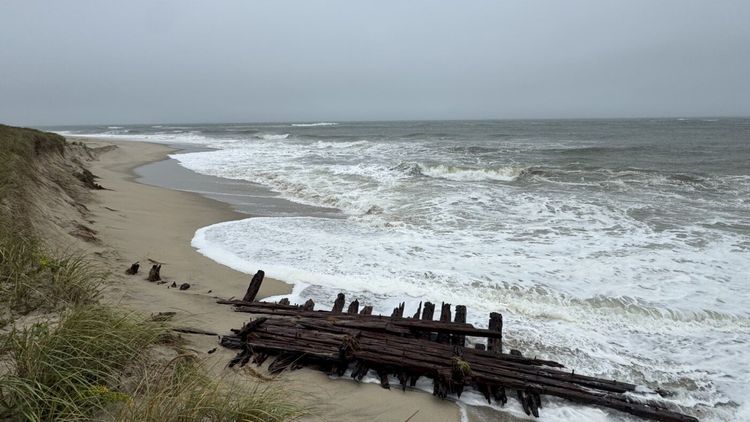
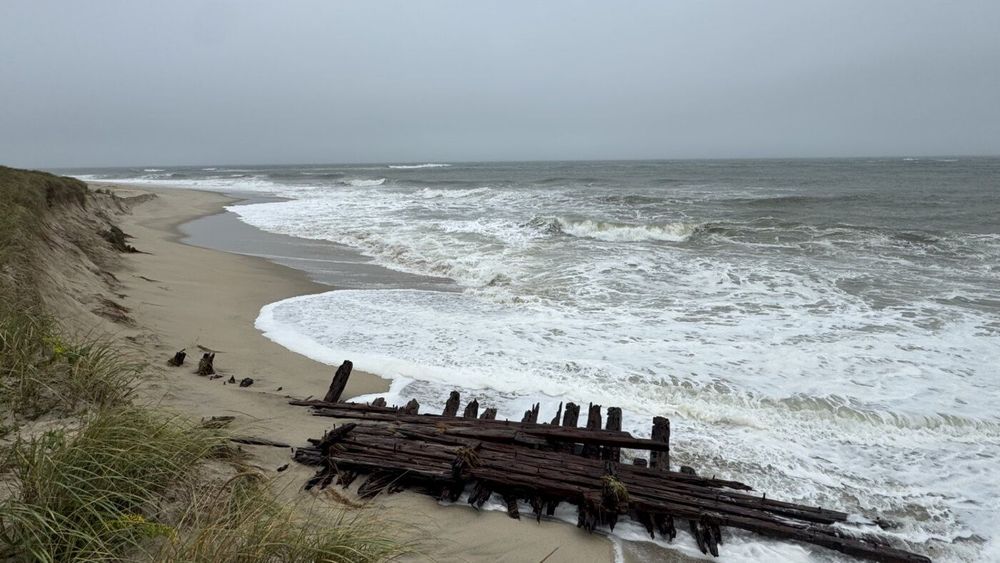
The discovery came after Jason Graziadei, editor-in-chief of the Nantucket Current, received a tip from island resident David DeHart. DeHart reported finding ship timbers jutting from the sand at Point of Breakers, a south shore beach, during the height of the storm on September 26, 2026.
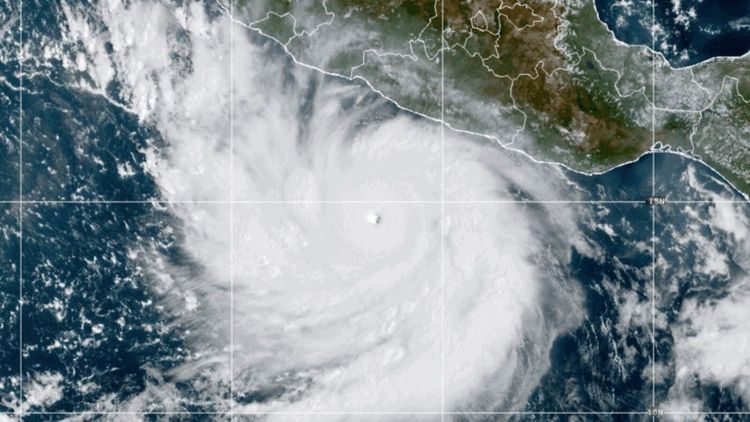
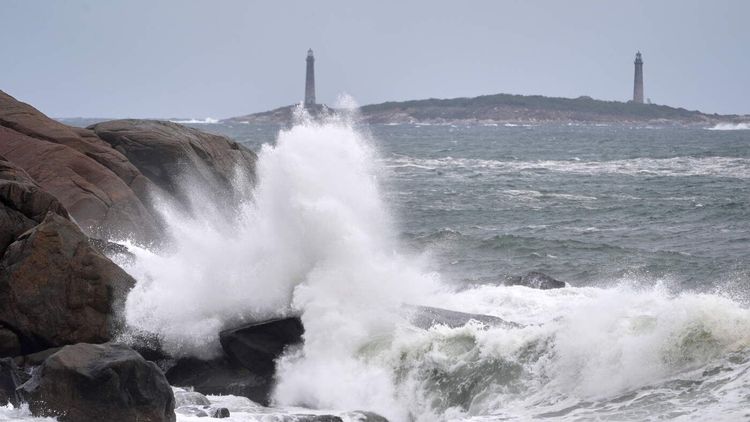
The storm itself brought damaging winds up to 60 mph, coastal flooding, beach erosion, and power outages affecting more than 70,000 people across the Northeast. The intense weather conditions stripped away sand and sediment, revealing the wooden hull fragments that had been buried for decades.
Graziadei drove to the site with his son Owen and confirmed the discovery. The newly exposed timbers appeared in the same location where ship fragments had surfaced in 2022, prompting renewed interest from maritime archaeologists.
A Maritime Graveyard's Latest Revelation
The finding is particularly significant given Nantucket's maritime history. The waters surrounding the island have claimed over 700 vessels over the centuries, earning the area the sobering nickname "graveyard of the Atlantic." These treacherous waters have been documented by maritime historians and archaeological institutions as one of the most dangerous shipping routes along the eastern seaboard.
Following the 2022 discovery, David Robinson, director and chief archaeologist for the Massachusetts Board of Underwater Archaeological Resources, conducted extensive research. The board, established in 1973, serves as the sole trustee of the Commonwealth's underwater cultural heritage and maintains jurisdiction over more than 3,500 shipwrecks within Massachusetts waters.
Robinson worked alongside researchers from the Egan Maritime Institute and the Nantucket Historical Association for several months. The Egan Maritime Institute, founded in 1989 by island native Albert F. "Bud" Egan, Jr. and his wife Dorothy H. Egan, is dedicated to preserving and celebrating Nantucket's maritime heritage. The institute operates the Nantucket Shipwreck & Lifesaving Museum, which houses over 5,000 objects and memorabilia gathered from local shipwrecks spanning the past 300 years.
The Warren Sawyer's Tragic Journey
Through careful analysis of archival records, photographs, and archaeological evidence, Robinson concluded in a 2023 report that the remains most likely belonged to the Warren Sawyer, a three-masted schooner. His analysis determined the 2022 fragments came from a relatively small section of the vessel's hull from its lower bow.
The Warren Sawyer met its fate on the night of December 22, 1884, while traveling from New Orleans to Boston. The cargo vessel was carrying 1,115 bales of cotton and 28 tons of scrap metal when it foundered off Nantucket's southern coast.
Historical accounts from the local newspaper, The Inquirer and Mirror, document the dramatic rescue that followed. Patrolman Eugene Clisby spotted the schooner's lights near Miacomet Rip on the night of the wreck and rushed to the Surfside lifesaving station. A rescue operation was quickly mounted, and by the morning of December 23, every member of the crew had been safely brought ashore. In the days following the wreck, island residents salvaged much of the cargo that washed up along the beach.
A Pattern of Discovery
The current find represents the third emergence of Warren Sawyer remains in recent years. Additional fragments believed to belong to the vessel appeared in February 2023, approximately a half mile west of the initial 2022 discovery. The recurring exposure of the wreck suggests that shifting sands and storm activity continue to reveal different sections of the vessel scattered along Nantucket's southern shoreline.
Graziadei, who has covered the ongoing story of the Warren Sawyer's rediscovery, expressed fascination with the latest find. He noted the remarkable fact that cars had driven over the site during the summer months, unaware of the historical artifact buried just beneath the sand.
The discovery underscores the dynamic nature of coastal archaeology and the role that severe weather events play in uncovering maritime history. As storms continue to reshape Nantucket's beaches, additional remnants of the island's seafaring past may yet emerge from beneath the shifting sands.