Hurricane Isaias becomes first Atlantic storm of historic 2026 season
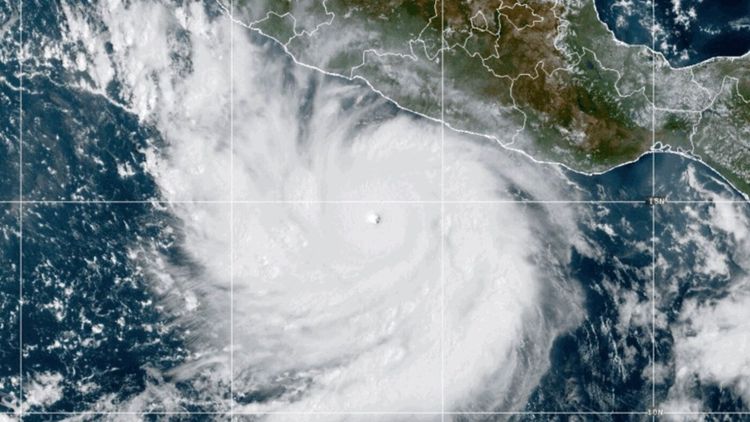
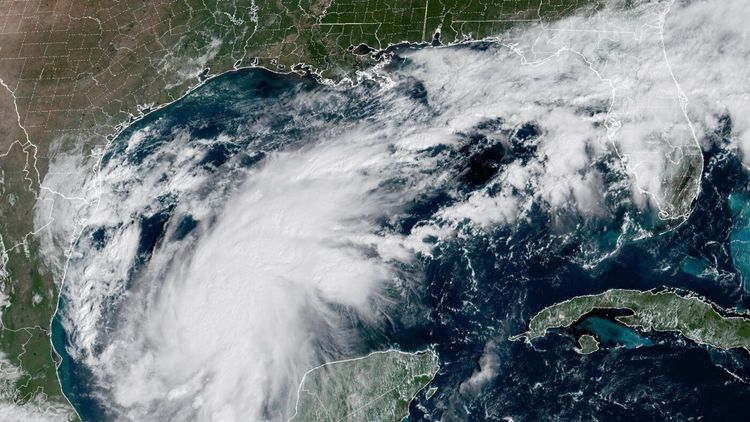
Hurricane Isaias became the Atlantic's first hurricane of 2026 late Wednesday, ending a historically quiet period that saw the season surpass a 121-year record for the latest formation of its first hurricane. The National Hurricane Center reported the storm was tracking toward the U.S. Gulf Coast with landfall expected between the Mississippi coast and Florida Panhandle late Friday or early Saturday.
The hurricane's formation on October 8 marks an extraordinary delay in a season that officially began June 1. Typically, the Atlantic's first hurricane develops by August 11, with the climatological peak of activity occurring around September 10. The 2026 season previously broke the satellite-era record on September 11 for the latest first hurricane, yet continued its unusual dormancy for nearly another month.
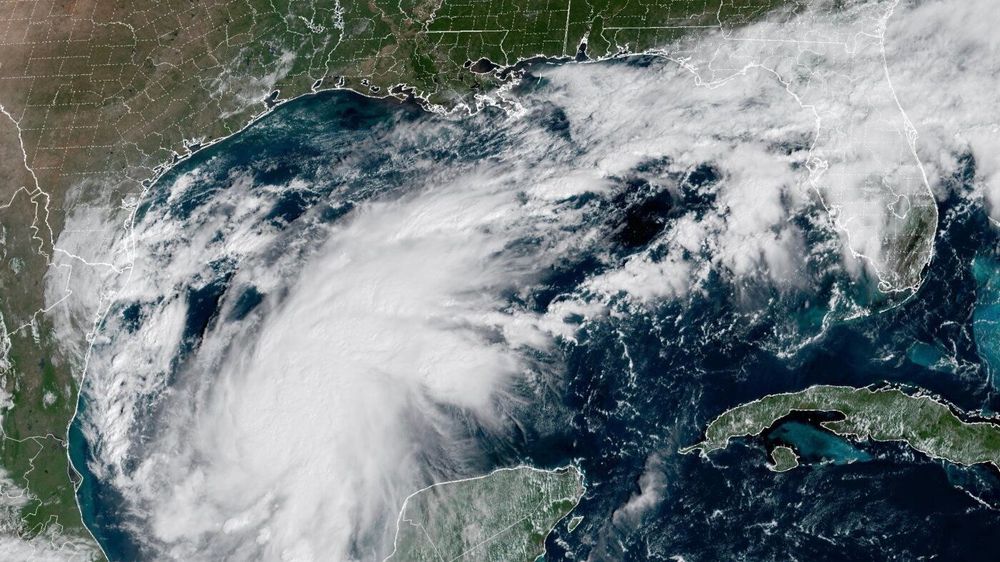
As of Wednesday evening, Isaias was centered approximately 460 miles south-southwest of the Mississippi River, carrying maximum sustained winds of 75 mph and moving east-northeast at 9 mph, according to the Miami-based hurricane center.
Record-breaking El Niño suppresses season
The 2026 Atlantic hurricane season has been shaped by one of the strongest El Niño events on record since at least 1950, potentially rivaling historic episodes from 1997 and 2015. This powerful climate pattern created hostile conditions for Atlantic storm development by producing increased vertical wind shear across the Caribbean Sea and Atlantic basin. Wind shear, which involves changes in wind speed and direction at different altitudes, can prevent tropical cyclones from forming or tear developing systems apart before they intensify.
The accumulated cyclone energy for the 2026 season through October 7 measured just 10.9 units, running 89% below the normal level for this point in the season. While nine named storms formed through early October, none achieved hurricane strength before Isaias. An average Atlantic season produces 14.4 named storms, 7.2 hurricanes, and 3.2 major hurricanes based on 1991-2020 data. Forecasters had predicted only 7 to 13 named storms for 2026, with 2 to 6 hurricanes and 0 to 2 major hurricanes, figures significantly below historical norms.
Gulf Coast prepares for impact
Communities along the potential impact zone moved quickly into preparation mode following Wednesday's forecast. Governors in Florida and Alabama declared states of emergency for dozens of counties. Florida Gov. Ron DeSantis issued declarations for 25 counties in the Panhandle and Big Bend regions, activating the state's hurricane emergency management plan and deploying a Miami-based urban search and rescue task force.
Alabama Gov. Kay Ivey declared emergencies in 40 counties. In Gulf Shores, organizers canceled the National Shrimp Festival, which drew an estimated 325,000 visitors last year and had been scheduled to run through the weekend. City officials in Gulf Shores and Orange Beach encouraged voluntary evacuations from low-lying areas.
In Pensacola, Mayor D.C. Reeves urged residents to check on elderly neighbors and others who might need assistance. Electric utilities positioned crews for rapid response to power outages, while the city provided sand for residents to fill protective sandbags.
Obviously no need to panic at this point. This is really about preparation.
Gulf Shores resident Maranie Adams gathered supplies and moved belongings to higher ground as her family prepared to shelter at home with their flock of chickens.
We're having to get crates to bring them into the house so they don't blow away. It's going to be noisy.
Oil production curtailed
The approaching storm forced oil and gas producers to shut down significant offshore operations in the Gulf of Mexico, a region that accounts for approximately 15% of total U.S. crude oil production and 2% of natural gas output, producing roughly 2 million barrels per day from 371 manned platforms.
As of Wednesday, about 25% of the region's oil production was temporarily halted, removing approximately 511,000 barrels per day from the market, according to the Marine Minerals Administration. Eight of the Gulf's manned platforms were evacuated.
Jim Burkhard, global head of crude oil market research for S&P Global Energy, characterized the market risk as moderate but rising. While the production cuts are steep enough to affect markets during a period of already elevated oil prices, he noted that other Gulf hurricanes have caused larger disruptions. The greater concern, Burkhard said, would be if Isaias strikes as a powerful storm near refineries.
Region's hurricane history
The Gulf Coast region has endured some of the nation's most devastating hurricanes. Hurricane Camille, which struck near Waveland, Mississippi on August 17, 1969, stands as one of only four Category 5 hurricanes to make landfall on the continental United States during the 20th century. The storm arrived with sustained winds estimated at 175 to 190 mph and a storm surge of 24 feet, killing 256 people—143 on the Gulf Coast and 113 in Virginia from flooding—and causing $1.42 billion in damage in 1969 dollars, equivalent to approximately $10 billion today.
Hurricane Katrina devastated the region in 2005, razing neighborhoods in Mississippi, flooding New Orleans, and claiming nearly 1,400 lives. More recently, Hurricane Michael struck near Mexico Beach, Florida on October 10, 2018 as a high-end Category 4 storm, later reanalyzed as Category 5. With maximum sustained winds of 155 to 161 mph and a minimum pressure of 919 millibars, Michael became the most powerful hurricane to hit the Florida Panhandle on record, causing catastrophic damage to approximately 45,000 structures and destroying 98% of Panama City's infrastructure.
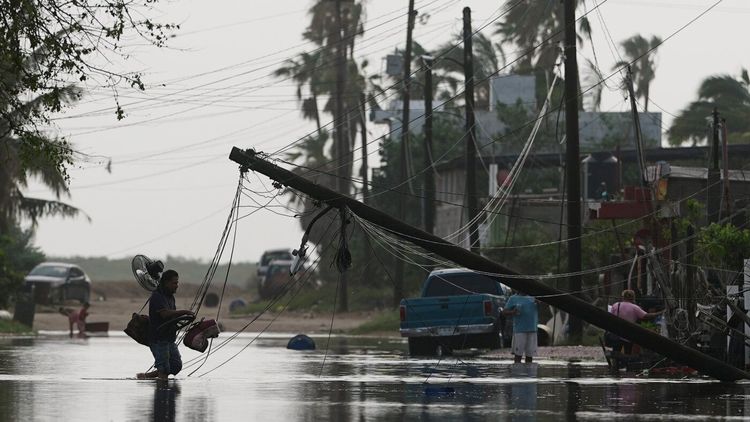
Forecasters warned that Isaias is expected to bring heavy rains and potentially flash flooding to coastal areas. The Atlantic hurricane season continues through November 30.