Fatal Heat: Mobile Home Residents Face Deadly Temperature Extremes Indoors
Heat kills thousands of Americans annually, but a new investigation reveals a hidden crisis: those living in manufactured housing face dramatically higher risks. Research shows mobile home residents in Maricopa County are six to eight times more likely to die from heat-related causes than people in traditional housing.
Patricia Solis, a geographer at Arizona State University, discovered this disparity almost by accident in 2018 while mapping heat-related deaths in the Phoenix area. When she overlaid death locations with areas receiving cooling assistance, a stark pattern emerged: concentrated clusters in mobile home parks showed many deaths but little help.
The scale of this vulnerability is substantial. Approximately 20 million Americans live in manufactured or mobile homes, representing 5.4% of total occupied housing nationwide. More than 43,000 manufactured home communities exist across the United States, housing almost 4.3 million homesites.
An NPR investigation in partnership with Boston University finds roughly 9,000 Americans die from heat-related causes each year — more than five times what federal statistics show. CDC data indicates heat-related deaths increased from 1,156 in 2020 to 2,415 in 2023, with death rates accelerating approximately 17% annually from 2016 onward.
A Preventable Tragedy
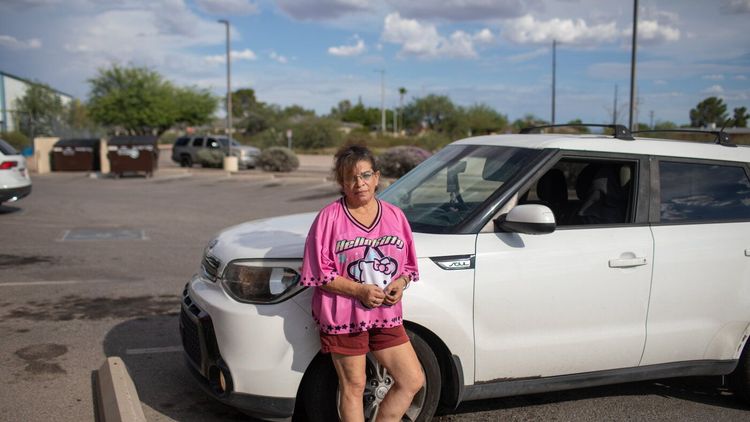
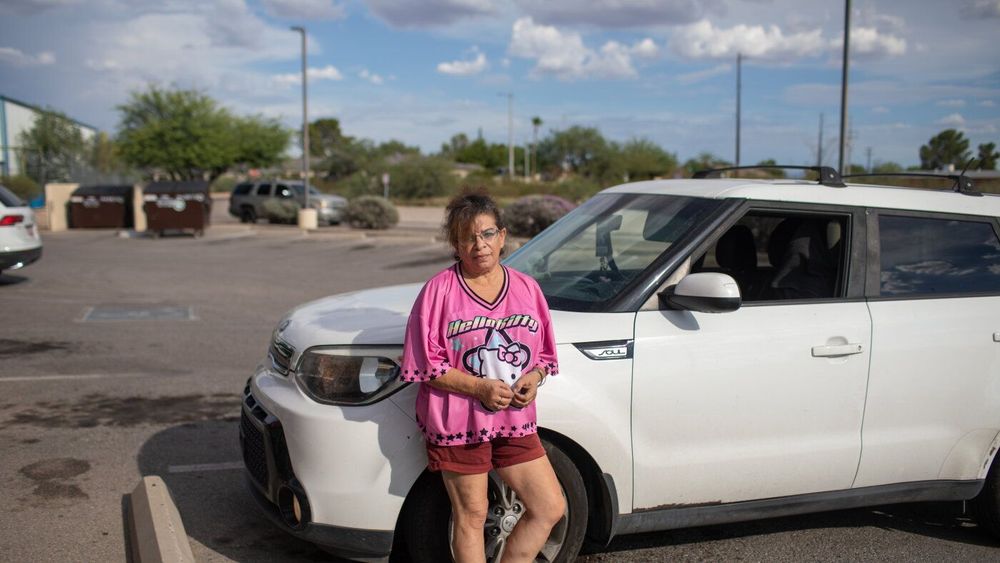
Sheri Petty's death last July illustrates the crisis. The 76-year-old lived with her daughter, Tara Gentner, in a trailer outside Tucson. When both their air conditioner and swamp cooler broke during a prolonged heat wave, Petty called multiple county and private programs for help. None could come, and she couldn't afford repairs on her own.
One morning, Gentner found her mother collapsed on the floor. Paramedics were alarmed at the indoor temperature. Petty had gone into cardiac arrest triggered by heatstroke, with a body temperature of 106 degrees. She died at the hospital later that day.
Maricopa County recorded 608 confirmed heat-related deaths in 2024, down from 645 in 2023 — the first year-over-year decrease since 2014, despite Phoenix experiencing its hottest summer on record. However, among 2024 deaths, approximately 49% of deceased individuals were experiencing homelessness, with more than three-quarters of deaths occurring outdoors.
Structural Vulnerabilities
The heightened risk in manufactured housing stems from multiple factors. More than a third of Pima County's manufactured homes were built before June 15, 1976, when federal HUD Code construction standards went into effect, establishing requirements for design, construction, safety, durability, and energy efficiency.
These older homes often have thin, uninsulated walls, leaky windows, outdated electrical systems that can't handle air conditioners, and broken or inadequate cooling systems. Many sit in asphalt-lined communities with little shade or green space, intensifying heat exposure.
Mark Kear, a geographer at the University of Arizona, notes that newer manufactured housing can be energy efficient, but older units
were not designed for the extremes of the U.S. climate.Karina Martinez, who works on Tucson's heat team, describes some families as
basically stuck in a tin can.
Roughly 10% of Pima County's housing is manufactured — a higher proportion than other major Western cities — housing about 100,000 people. Nationally, manufactured homes are predominantly located in rural areas, with 53% of residents living in rural areas compared to only 33% in urbanized areas, making them particularly important for rural affordable housing.
Financial Pressures Mount
Electricity costs compound the problem. The poor condition of many homes, combined with sometimes opaque billing practices unique to mobile home parks, can result in bills reaching hundreds or thousands of dollars. Mobile home residents are often ineligible for assistance programs, particularly when parks are "master metered," with the park itself receiving utility bills rather than individual units.
Pat Schoneck, former regional lead of the Arizona Association of Manufactured Home Owners, heard numerous complaints about crushing bills and repair estimates exceeding annual rent. Martinez interviewed dozens of families in Pima County and heard repeatedly that people couldn't afford to run their coolers. One man would buy ice after work, dump it in his bathtub, and sit in an ice bath all evening to cool down.
Ownership structures create additional barriers. While residents may own their homes, the land beneath is typically owned separately — increasingly by private equity firms. In 2020-2021, institutional investors accounted for 23% of all manufactured home park purchases, up from 13% between 2017-2019. Twenty-three private equity firms now own over 1,800 parks nationwide.
This arrangement makes homes ineligible for traditional mortgages and disincentivizes major investments in repairs or improvements. Census data shows rents in manufactured home parks have risen 45% over the past decade.
Power Failures and Daily Struggles
Paul Valdez has lived in his South Tucson trailer for 30 years. His aging mobile home park has experienced power outages lasting hours at a time, sometimes several times daily, with temperatures in the hundreds. Valdez would resort to running his car's air conditioner or simply driving around.
His neighbor, Miryam Palafox, brought her newborn and two other daughters into her car overnight during one power outage, leaving the engine running with the AC on to ensure their survival. Valdez ended up hospitalized for extreme dehydration in 2024.
You know damn well the heat is a major issue,he says.
Emerging Solutions
Arizona officials now recognize the heightened risks and have begun taking action. Solis and colleagues spearheaded efforts to legally allow residents to install shade sails and window air conditioners after hearing landlords were barring such modifications.
Tucson and Pima County, along with nonprofits, offer programs to help residents upgrade insulation, electrical systems, and cooling equipment, helping mobile home residents navigate challenges they face with private lenders. But these programs are often oversubscribed, says Joel Viers, a housing rehabilitation specialist for Pima County.
Martinez organized door-knocking sessions in high-risk mobile home parks to raise awareness of heat risks and available resources. Solis believes the seeds of solutions exist but need to scale up dramatically.
Kear emphasizes a necessary conceptual shift:
We think of climate change as a matter of the outdoors. But paradoxically, we need to be much more concerned about those indoor, human-controlled environments.
Gentner understands this viscerally after watching her mother succumb.
Heatstroke does not just happen outside. It happens inside the home, too.