Hurricane Polo threatens Mexico's coast
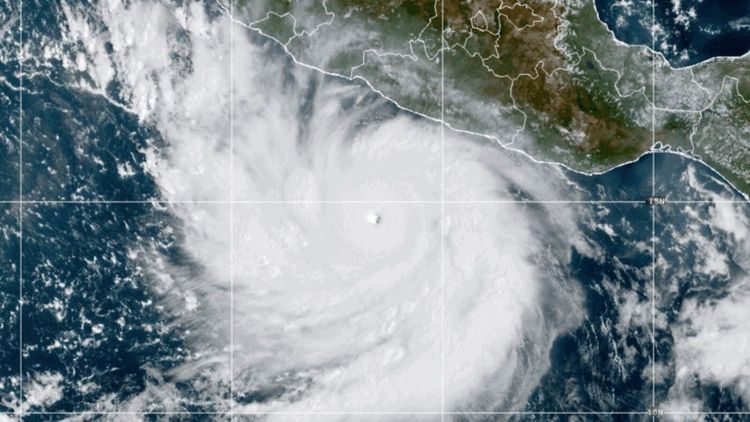
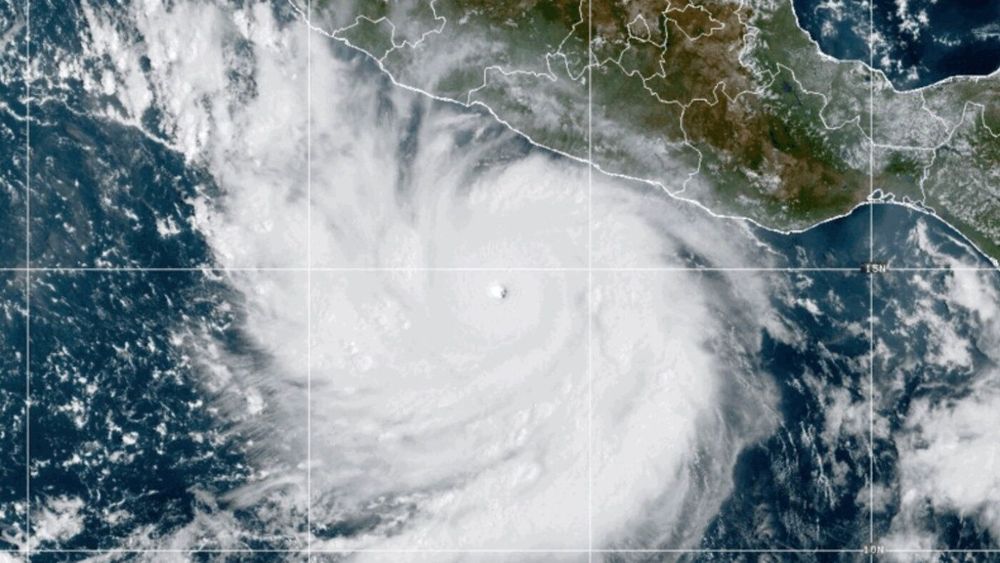
Southwestern Mexico braced for torrential rainfall and life-threatening mudslides Wednesday as Hurricane Polo, an exceptionally powerful Pacific cyclone, churned off the coast with winds reaching 160 mph (257 kph). The storm marks the third Category 5 hurricane of the 2026 Pacific season, following Genevieve and Lowell earlier this year in what has proven to be an unusually active hurricane year.
Polo's intensity places it among the strongest hurricanes ever recorded in the Pacific Basin. National Hurricane Center data shows the storm's winds have reached speeds comparable to only a few hurricanes in recent decades, primarily Hurricane Patricia, which set the Pacific record with winds of 215 mph (346 kph) in 2015.
The hurricane was positioned approximately 130 miles (209 kilometers) south-southwest of Zihuatanejo Wednesday evening and is expected to skirt Mexico's Guerrero state rather than make direct landfall, according to meteorologists and Mexican President Claudia Sheinbaum. Despite remaining offshore, Polo is forecast to dump 4 to 6 inches (10 to 15 centimeters) of rain across coastal areas through Thursday, with the potential for catastrophic flooding and mudslides in mountainous regions.
Guerrero state faces particularly acute danger. The region was devastated in September 2024 when Hurricane John caused 29 deaths and $2.45 billion in damages, dropping 37 inches of rain across parts of the state. Residents remember the destruction vividly.
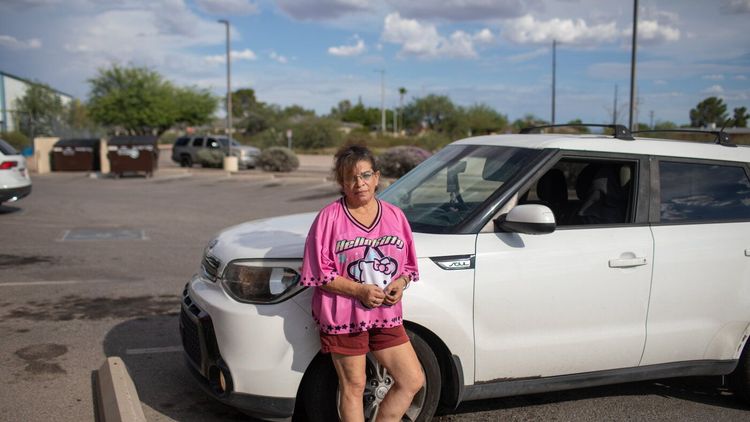
In Lázaro Cárdenas, Michoacán, Concepción López Villegas worked frantically to fortify her seaside restaurant against the approaching storm. Strong waves already pounded nearby beaches as she prepared for the worst.
We're worried and trying to protect our businesses. And of course, we're sad because it's our heritage, our legacy that from one moment to another could be destroyed.
The Mexican government has ordered evacuations in vulnerable areas and established emergency shelters. Thousands of military and Red Cross personnel have deployed to the region as a preventive measure. The area most threatened is predominantly rural and mountainous, dotted with small tourist towns and ports where poverty is widespread and residents often feel abandoned during natural disasters.
Hawaii faces renewed flooding threat
More than 2,000 miles across the Pacific, Hawaii confronts another dangerous storm. Tropical Storm Nolo, located about 295 miles (475 kilometers) south of South Point on Wednesday, is forecast to strengthen into a hurricane by Thursday night before approaching the Big Island as early as Friday.
The timing could hardly be worse for Hawaii, which is still recovering from Hurricane Lala in August. That storm made history as the first hurricane to directly hit the Big Island since 1871 and became Hawaii's third-wettest tropical cyclone on record, causing approximately $75 million in damages to Hawaii Island.
Forecasters warn Nolo could drop 20 to 30 inches (50 to 76 centimeters) of rain on southeastern parts of the Big Island through Saturday. The ground remains saturated from months of heavy rainfall, including devastating floods in March 2026 that damaged nearly 20,000 properties statewide.
That by itself could cause catastrophic flooding, but when you put that on top of grounds that we've been raining off and on for the last couple of months … that rain could cause even more damage.
John Bravender, a National Weather Service warning coordination meteorologist, made this warning during a Wednesday afternoon news conference.
The threat is serious. Flash floods have killed 19 people in Hawaii over the past 23 years and caused property damage exceeding $250 million, according to Hawaii Emergency Management Agency data.
While high winds are expected, Bravender emphasized that flash flooding remains the primary concern. He urged preparation across all Hawaiian islands in case Nolo's trajectory shifts. "You need to take action now," Bravender said. "Today is really the last dry day you have to get ready."
Hawaii County Mayor Kimo Alameda echoed the urgency in a video message on social media, telling residents to assemble emergency kits with food, water and medications, trim vegetation and clear drains.
The Big Island isn't the only Hawaiian island still recovering from recent storms. More than 100 Kauai households remain without electricity following Hurricane Lowell, which passed west of the island on September 7. Lowell, which became the first Pacific hurricane to reach Category 5 intensity twice since Hurricane Ioke in 2006, knocked out power to 33,000 of the island's 36,000 utility customers and caused widespread infrastructure damage.
Kauai's electric cooperative warned residents to prepare for "the possibility of prolonged power outages" from Nolo and urged them to stock nonperishable food and potable water. Hawaiian Electric, the state's primary utility, said crews were returning to at-risk areas in preparation for the approaching storm.
Third Pacific hurricane remains at sea
Hurricane Odalys, also in the Pacific, strengthened Wednesday with maximum sustained winds of 85 mph (137 kph). The storm was churning about 1,205 miles (1,939 kilometers) west-southwest of the southern tip of Mexico's Baja California peninsula and posed no threat to land. Forecasters said Odalys could intensify over the next several days but would likely weaken by week's end.