Bringing printers closer to engineers
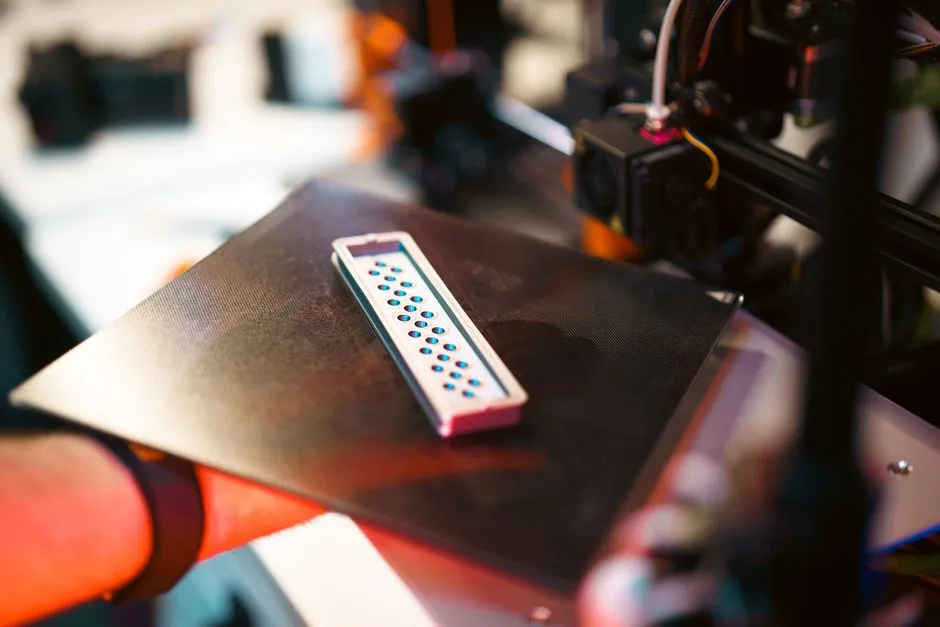
The new equipment is part of Rivian's effort to make additive manufacturing available throughout the company, according to CNBC's Oct. 31, 2026, report. Jared Beck, Rivian's head of additive manufacturing, said engineers should be able to print a part and have it in hand as quickly as possible.
"We're going to be democratizing 3D printing for the entire company," Beck told CNBC, describing broader adoption as a necessity for the California startup.
The factory expansion puts that goal into practice. Car and Driver reported that printers are positioned roughly "every 15 feet" throughout the approximately 1.1 million-square-foot addition at Normal built for the upcoming R2 SUV.
From prototypes to assembly-line tools
Rivian uses 3D printing to make physical prototypes faster than conventional methods that require outside suppliers and large, costly stamping equipment. Its work on the R2 steering wheel, for example, began with a 3D print before progressing to a finished metal production part, CNBC reported.
Other applications span development and manufacturing: electric-motor models for fluid testing, screw guides for tooling, and inserts for stamping presses. Rivian has also printed some production parts, including trim pieces used to fill gaps in early vehicle builds.
During a tour of Rivian's lab, Car and Driver found an operation with 35 industrial printers, including 28 from Stratasys, managed by a 17-person additive manufacturing team. The company handles about 6,000 print requests annually; assembly-line tools and fixtures account for more than a third of them.
The outlet reported that 86% of engineering requests are fulfilled within five days. The operation can also turn out as many as 10,000 powder-based SAF parts in a week.
Equipment costs and reported savings
Alongside its investment of more than $5 million in printers, Rivian's annual spending on additive manufacturing materials has risen to about $1.7 million, CNBC reported.
Beck said a printer typically recoups its cost within a year through reduced supplier tooling expenses, simpler logistics and shorter production times. Parts that would take weeks can instead be made in days or hours. He described the savings as "well in the millions," while emphasizing speed as the main benefit for Rivian.
Other automakers expand their use
CNBC also reported substantial 3D-printing programs at Ford and General Motors. Ford has more than 200 machines and expects to have 3D-printing labs at more than 23 plants by the end of 2026. GM uses 135 3D-printed components in its bespoke Cadillac Celestiq.