Buying supply outside Hormuz
QatarEnergy CEO Saad Sherida Al-Kaabi told Reuters on Oct. 29, 2026, that the purchases provide a trading hedge: LNG bought elsewhere could generate revenue if a closure of the Strait of Hormuz disrupted Qatari exports and drove up gas prices.
"In a scenario where you have a closure of the strait... you'd immediately see a spike in gas price and you'll be able to generate revenue for QatarEnergy that otherwise wouldn't be generated," he said.
Al-Kaabi said he devised the strategy, which took shape about three months earlier after QatarEnergy examined and rejected pipeline options. The approach requires no capital spending, he said.
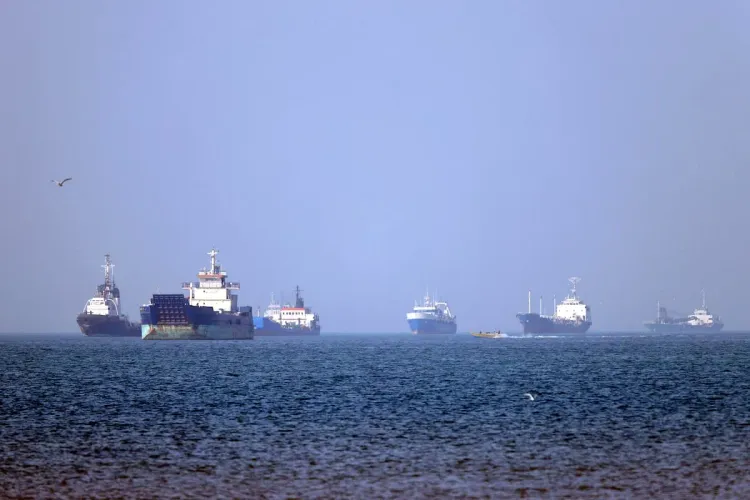
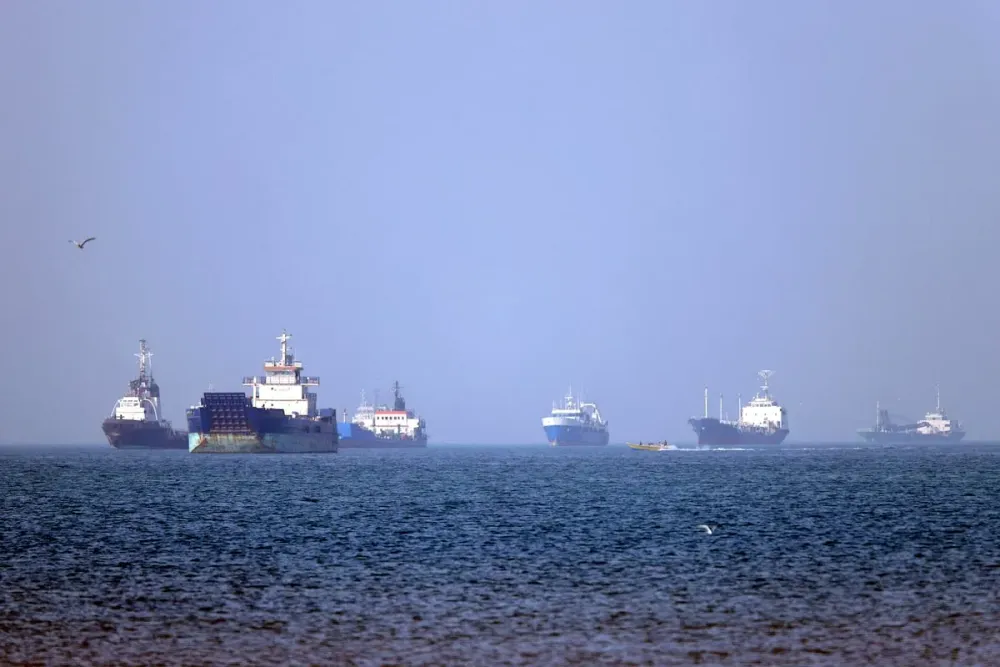
All of Qatar's LNG exports, which account for around one-fifth of the global total, pass through Hormuz. The strait also carries a fifth of the world's oil and LNG shipments.
The company has already suffered substantial disruption. It stopped producing LNG in early March 2026 following Iranian missile attacks on Qatar, declared force majeure to affected buyers on March 4 and later extended that declaration through the end of the year. Strikes on the Ras Laffan gas processing facility damaged two of Qatar's 14 LNG trains, affecting 12.8 million metric tons per year, or mtpa, of capacity and disabling about 17% of its export capacity. QatarEnergy estimated annual lost revenue at about $20 billion; Al-Kaabi said repairs would take roughly three years.
Cheniere and Woodside supply commitments
The Cheniere agreements, announced Oct. 22, commit its Sabine Pass Liquefaction and Corpus Christi Liquefaction subsidiaries to supply QatarEnergy with 2 mtpa each through 2054. Deliveries are scheduled to start in the early 2030s. Of the Sabine Pass commitment, 1 mtpa depends on a positive final investment decision for the first phase of the facility's expansion.
According to Cheniere, both contracts price the LNG against the Henry Hub benchmark plus a fixed fee, with purchases made on a free-on-board basis.
QatarEnergy added another 3 mtpa on Oct. 29 through a separate, 20-year agreement covering Woodside's US facilities. That brought its new US supply agreements to 7 mtpa in two weeks.
"There's more to come," Al-Kaabi said. He expects additional contracts lasting 20 to 25 years with US and other producers during 2026, with a purchasing target "much higher" than 7 mtpa. QatarEnergy is talking to "everybody," he said, including Venture Global.
Financing may support further purchases. UBS analyst Manav Gupta said QatarEnergy obtained a $3 billion loan from Chinese banks earlier in October that could help it buy more US LNG to meet international delivery commitments, CNBC reported.
The scale of Cheniere's deal and expansion
Although the Cheniere contracts cover less than 1% of a global LNG market exceeding 400 million metric tons, they are large by US deal standards. Alex Munton, director of global gas and LNG at Rapidan Energy, told CNBC the purchase is "about as big as you see in the U.S." for an individual deal. CNBC also reported that Cheniere shares had risen 26% and Venture Global shares 40% since the Iran war began.
Cheniere plans to add up to about 20 mtpa of peak production capacity at Sabine Pass, taking the project's total above 50 mtpa. The first phase would provide more than 6 mtpa through Train 7 and a boil-off gas re-liquefaction unit.
In May 2026, Cheniere signed a lump-sum, turnkey contract with Bechtel for engineering, procurement and construction of that first phase.
Qatar keeps its expansion plans
The overseas purchases have not changed Qatar's plan to expand its own LNG output to 142 mtpa, Al-Kaabi said. All contracts for that expansion have been awarded, while Ras Laffan's capacity stands at 77 mtpa.
The first North Field train is expected to start up in the first quarter of 2027, though production would require a US-Iran peace agreement. Al-Kaabi said Qatar could restart LNG production within a week of such a deal, but output would remain limited to about 83% of pre-war levels until the damaged trains return.