Fishing rules and access
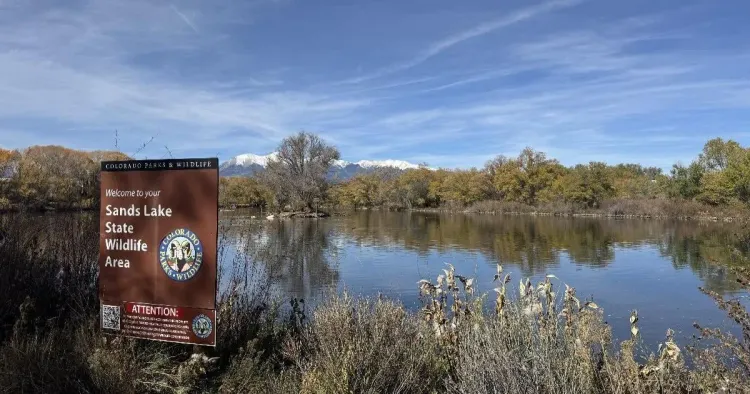
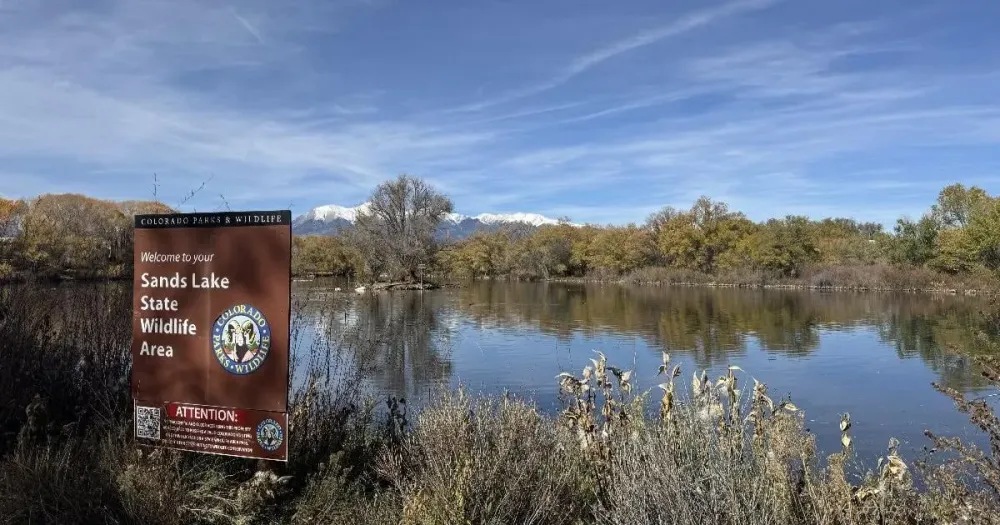
The order covers only Sands Lake, just north of downtown Salida, and does not extend to the Arkansas River alongside the wildlife area or any other waters. Anglers must have a valid Colorado fishing license and use only methods already legal at the lake.
Unlike some earlier emergency salvages, this one does not permit nets, traps, snagging, gigs, archery equipment, unlimited fishing rods, trot lines or jugs. Moving live fish from one body of water to another also remains illegal. Apart from the suspended harvest limits, applicable fishing regulations and state wildlife area rules still apply. CPW authorized the salvage under Parks and Wildlife Commission Regulation 104.G.
CPW cautions that several feet of sediment cover the pond bottom, creating a risk that anglers in waders could become stuck.
The agency plans to end the salvage when drainage starts, with contractors blocking access using barricades and flagging. CPW will mark the salvage area with signs and post notice when the emergency order is lifted. The order remains in effect until the agency determines that conditions have changed or the salvage is complete.
Removing accumulated material
Sands Lake holds water flowing from the Salida-based Mt. Shavano Hatchery before it reaches the Arkansas River. Dredging typically occurs every 10 to 15 years, but the pond was last dredged in 2006. The planned work will remove several feet of accumulated bottom material for disposal.
"Aquatic habitat improvements are important to the long-term management of Sands Lake, but the work could affect fish currently in the lake," said Paul Foutz, CPW senior aquatic biologist. "Opening for public salvage gives anglers an opportunity to make the best possible use of the fishery before work begins, while allowing CPW to move forward with the dredging."
A CPW procurement solicitation listed by ColoradoBids.net, with bids due Aug. 19, 2025, described the project's scope as 15,000 cubic yards of dredge settling pond, transport and disposal of 15,000 cubic yards of dredged material, and 200 linear feet of safety fencing.
Trout fishing below Mt. Shavano Hatchery
Connected to Salida's community trail system, Sands Lake is a popular wildlife area stocked with rainbow and cutbow trout.
"Sands Lake is a highly productive water source due to its connection to the Mt. Shavano Fish Hatchery," said Bryan Johnson, CPW Mt. Shavano Fish Hatchery Manager. "Larger-than-average trout can be caught here. Trout can be caught on the typical flies, lures, and bait, but expect the larger fish to be more wary. 'Matching the hatch' will help anglers fool some of these larger specimens."
CPW describes the upstream Mt. Shavano State Fish Hatchery, purchased in 1956, as one of Colorado's largest trout production units. Its annual output includes roughly 500,000 whirling-disease-negative, catchable trout measuring 10 inches and about 2 million subcatchable fish measuring 2 to 5 inches. The hatchery raises rainbow trout, Snake River cutthroat, cutthroat-rainbow crosses known as cutbow, and kokanee salmon.
Across Colorado, CPW operates 19 hatcheries that collectively breed, hatch, rear and stock more than 90 million fish annually. The agency puts angling's annual contribution to the state's economy at $2.4 billion.
Other 2026 salvages were driven by drought
Dredging prompted the Sands Lake order, while drought has led to other emergency fish salvages across Colorado this year. Water Education Colorado's Fresh Water News reported that CPW called a public salvage at Nee Noshe Reservoir on June 1, 2026. The agency separately salvaged more than 1,000 trout from Antero Reservoir, and salvage orders also covered Westminster's McKay Lake and ponds at Banner Lakes near Keenesburg.
CPW announced another public salvage July 31 at Daigre Reservoir in Huerfano County's Wahatoya State Wildlife Area. Extreme drought, together with municipal water needs in Walsenburg and La Veta, required the reservoir to be drawn down. The agency said fish relocated from Daigre were expected to be stocked in Martin Reservoir and Horseshoe Lake at Lathrop State Park.