Russia and North Korea inaugurate first automobile bridge across shared border
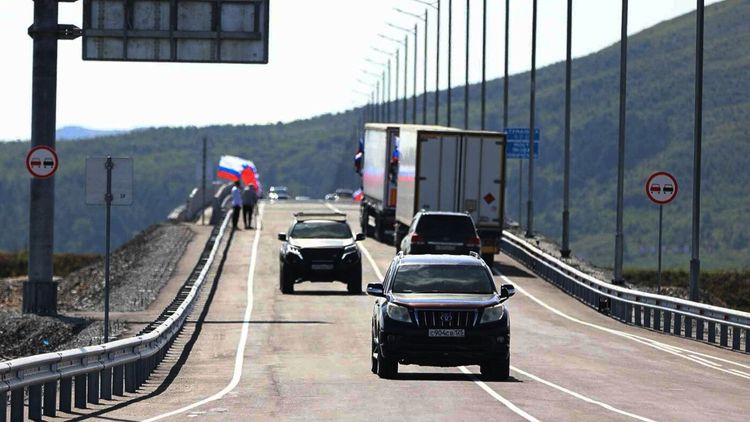
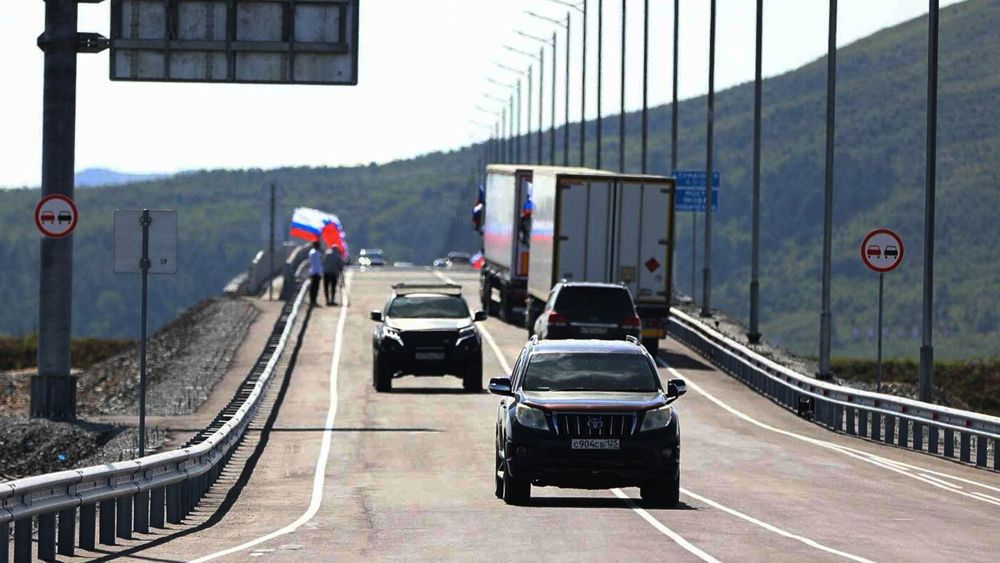
Russia and North Korea inaugurated their first road bridge on Monday, opening a new automobile crossing over the Tumen River that both nations describe as a milestone in their expanding partnership.
The 1-kilometer bridge links the Russian border city of Khasan with North Korea's Rason, a special economic zone established in 1991 to attract foreign investment near the borders with China and Russia. The two-lane structure will accommodate up to 300 vehicles per day through a newly constructed border checkpoint, according to the Russian government.
Russian Prime Minister Mikhail Mishustin and North Korean Premier Pak Thae Song participated in simultaneous inauguration ceremonies held via video link in their respective cities. "I am convinced that the expansion of transport infrastructure near the border will give a powerful boost to the further development of trade, economic, technological, scientific and cultural cooperation between the Russian Federation and the Democratic People's Republic of Korea," Mishustin stated.
Pak characterized the bridge's completion as "a significant event adding a new dynamic movement to the overall bilateral cooperation," according to North Korea's official Korean Central News Agency.
The project, which began construction in April 2025 and cost approximately 9 billion rubles, represents the first automobile crossing between the two countries, though they have been connected by the Korea-Russia Friendship Bridge, a 623-meter railway bridge built in 1959. The nations also maintain air service between them.
The bridge crosses one of Russia's shortest international borders. The Russia-North Korea frontier consists of just 17 kilometers of land border and 22.1 kilometers of maritime border along the Tumen River, totaling approximately 39 kilometers.
Deepening Strategic Partnership
The infrastructure development comes amid significantly strengthened ties between Moscow and Pyongyang. The two countries signed a Treaty on Comprehensive Strategic Partnership on June 19, 2024, in Pyongyang, which entered into force on December 4, 2024, after both nations ratified it in November. The treaty includes a mutual defense provision requiring both countries to provide immediate military assistance if either faces armed aggression.
This formal strategic framework has translated into substantial military cooperation. U.S., South Korean, and Ukrainian intelligence officials reported that North Korea dispatched approximately 10,000-12,000 troops to Russia in fall 2024, marking North Korea's first participation in a major armed conflict since the Korean War ended in 1953.
North Korea has also provided significant ammunition supplies to support Russia's military operations in Ukraine. Between September 2023 and March 2025, four Russian-flagged vessels made 64 trips carrying nearly 16,000 containers from North Korea to Russian ports, with satellite data from the UK-based Open Source Center estimating shipments included between 4 million and 6 million artillery shells. Ukrainian intelligence assessments indicate North Korea has supplied roughly half of all artillery shells used by Russian forces.
In exchange for this military support, North Korea has been receiving economic and military assistance from Russia. Russia also vetoed a UN Security Council resolution in March 2024 that would have renewed the mandate of a UN expert panel that had monitored sanctions implementation on North Korea since 2010.
Tourism and Economic Exchange
North Korean state media emphasized that the new bridge will facilitate tourism, human exchange, and commodity circulation between the two countries. North Korea began receiving Russian tourists in February 2024 as part of gradually easing pandemic restrictions.
The choice of Rason as the bridge's endpoint reflects the city's strategic economic importance as North Korea's first and largest special economic zone, designed to promote growth through foreign investment in an otherwise heavily restricted economy.
The bridge inauguration represents a tangible symbol of the flourishing relationship between Russia and North Korea, providing new infrastructure to support the expanding trade, tourism, and strategic cooperation that have characterized bilateral ties since 2024.