Air attacks continue beyond ceasefire area
The exchanges came as a six-day humanitarian ceasefire around Russian-controlled Oleshky reached its final day on Nov. 1. The truce held, but fighting elsewhere on the front and long-range air attacks by both countries continued.
Writing on Telegram, Zelenskyy described the Russian bombardment as highly intense and said Moscow was trying to take maximum advantage of Ukraine's shortage of interceptors for ballistic missiles.
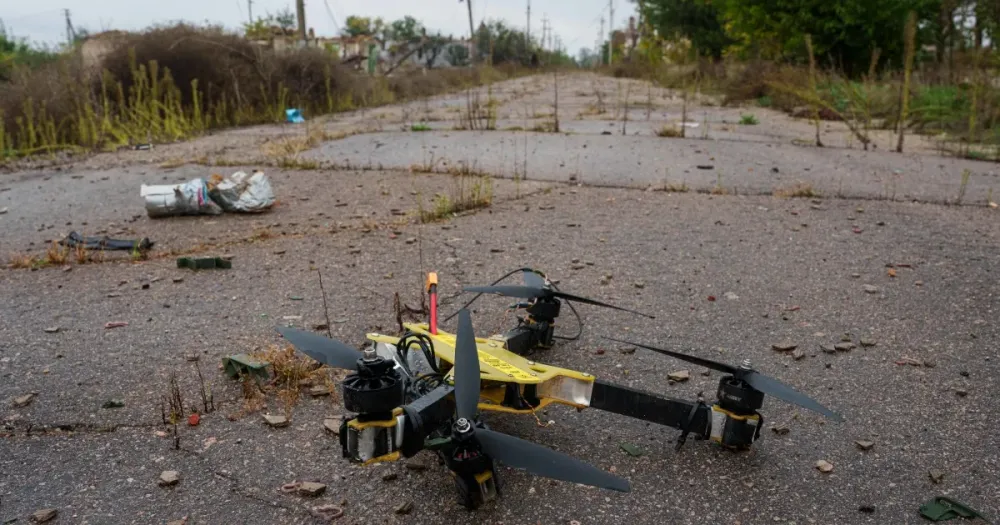
Ukraine's air force reported shooting down 371 of the 433 long-range drones Russia had launched since Saturday evening. Its Sunday morning update said dozens remained airborne. Kyiv had received six separate drone alerts since midnight.
Russia's Defense Ministry, in turn, reported that its forces intercepted 235 Ukrainian drones over Russian regions overnight.
Damage in Russia and uncertainty over the target
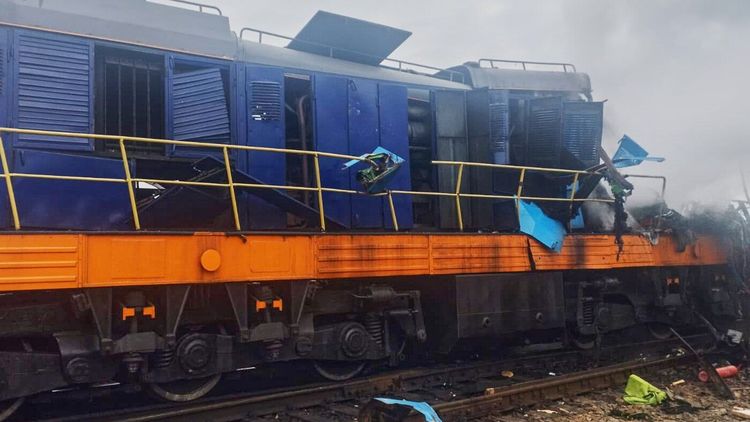
Nizhny Novgorod Governor Gleb Nikitin described major damage to an industrial facility after a large overnight drone attack. Neither he nor the regional government named the site. Kyiv did not immediately claim responsibility for that attack.
The regional government's response pointed to a possible connection with fuel supplies: It said it was working to keep gas stations supplied and asked drivers to purchase only what they needed rather than stockpile fuel, Interfax reported.
The damaged site is consistent with the NORSI refinery in Kstovo, also known as Lukoil-Nizhegorodnefteorgsintez, although Russian officials had not confirmed its identity. According to UNN, NORSI ranks fourth among Russian refineries by processing volume and second in gasoline production. It is designed to process about 17 million metric tons of oil annually, or roughly 340,000 barrels a day.
Ukraine's Special Operations Forces say NORSI accounts for up to 11% of Russia's gasoline production. The refinery also produces diesel, aviation fuel, fuel oil, bitumen and lubricants, and is a major supplier to the Moscow region, UNN reported.
NORSI had already sustained several attacks in 2026. Strikes on May 18 and 20 were followed by the shutdown of its primary refining unit, representing more than half its capacity, according to Reuters reporting cited by UNN. Another strike hit the AVT-6 unit on July 2. FP-1 drones attacked the refinery on Aug. 26, and Ukraine's General Staff said on Sept. 4 that the facility had stopped operating.
Separately, Zelenskyy announced a Ukrainian strike on the Kamensky plant in Russia's Rostov region, describing it as involved in missile manufacturing. Moscow did not comment on that report.
Ukraine's military said the factory in Kamensk-Shakhtinsky makes solid rocket fuel for ammunition used in Uragan, Smerch and Tornado-S multiple-launch rocket systems, along with other missiles and air-launched weapons. In the Ukrainian account reported by DW, drones and Neptune missiles started a fire in a finished-goods warehouse and damaged four production workshops. Those claims have not been independently verified.
Refinery attacks and Trump's diesel deal
The attacks followed a Russian statement Friday that Ukraine had resumed hitting its refineries despite President Donald Trump's request to stop. Trump has attributed higher diesel costs to those strikes ahead of U.S. midterm elections next week. Experts instead identify the Strait of Hormuz crisis, following Trump's rejection of a deal with Iran, as the main driver of rising energy costs.
Kyiv says it favors a comprehensive halt to attacks on energy facilities, including Ukraine's damaged electricity grid, but says Moscow will not agree. Russian Deputy Prime Minister Alexander Novak, who oversees energy, told state broadcaster Vesti on Sunday that Ukrainian refinery attacks were worsening imbalances in global fuel markets and influencing prices. He did not address the Nizhny Novgorod strike.
Trump's diesel agreement called for Russia to supply U.S. and global markets with 300,000 metric tons immediately, then 500,000 tons in November and another 1 million tons afterward, according to CNBC. An additional 3 million tons depended on the condition of Russian refineries. To enable the arrangement, the U.S. Treasury granted a temporary license easing sanctions on Russian diesel.
AAA put the record U.S. average diesel price at $6.5276 a gallon in late September 2026. Analysts cited by CNBC said the promised Russian shipments were unlikely to bring substantial price relief given U.S. consumption of about 3.7 million barrels of diesel daily.
Oleshky evacuation under humanitarian truce
The ceasefire brokered by U.S. First Lady Melania Trump took effect across the entire frontline Kherson region on Tuesday, Oct. 27, and was scheduled to end Sunday. The BBC described it as the longest and most widespread truce since Russia launched its full-scale invasion in 2022.
For Friday's evacuation from Oleshky, 25 buses were brought in with capacity for up to 750 people to leave during a four-hour window. Several hundred residents opted to remain, despite having no gas, electricity or running water, the BBC reported.
Ukraine's parliamentary human rights commissioner, Dmytro Lubinets, also visited Oleshky on Friday with his Russian counterpart, Yana Lantratova. According to the BBC, the trip made Lubinets the first Ukrainian official to visit Russian-occupied parts of Ukraine since the war began.