A stalled selection process
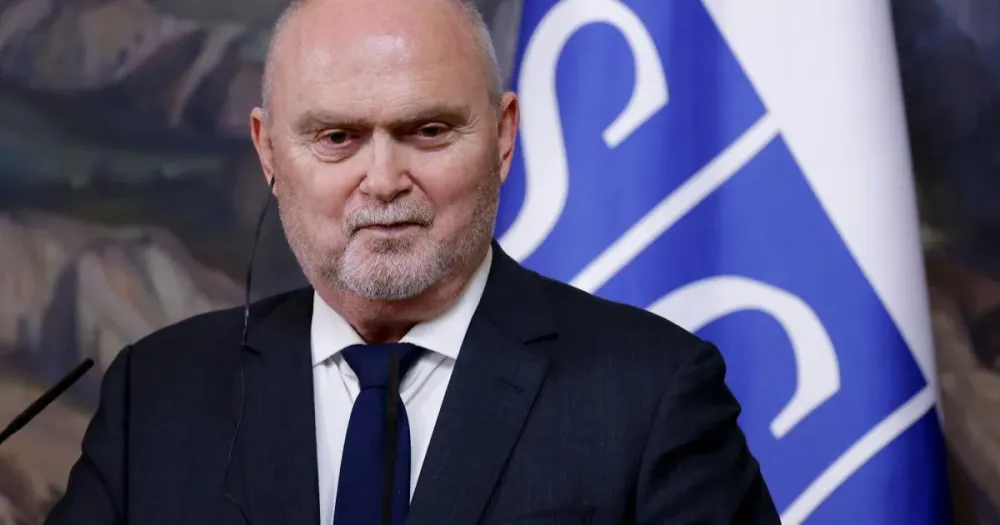
Sinirlioglu, 70, is a former Turkish foreign minister and UN ambassador whose candidacy has President Recep Tayyip Erdogan's backing. His nomination follows a Friday straw poll that left the Security Council without a clear outcome, Anadolu Agency reported, citing sources.
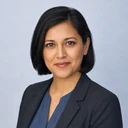
After seven rounds of informal voting, Costa Rican diplomat Rebeca Grynspan remained the frontrunner, according to Envoy Magazine. She still faced four "discourage" votes.
In its account of the nomination, Anadolu Agency listed eight candidates: Grynspan; Rafael Grossi of Argentina, director general of the International Atomic Energy Agency; former Senegalese President Macky Sall; Guyana's UN ambassador, Carolyn Rodrigues Birkett; María Fernanda Espinosa of Ecuador, a former UN General Assembly president; former Chilean President Michelle Bachelet; Ugandan diplomat Olara Otunnu; and Ecuadorian diplomat Ivonne A-Baki.
Turkey's UN envoy, Ahmet Yildiz, said Ankara had held back out of respect for the preference for a candidate from Latin America and the Caribbean, Hürriyet Daily News reported. Envoy Magazine assessed that Sinirlioglu would likely encounter strong opposition from Latin American states and advocacy groups because his candidacy runs counter to informal regional rotation and broad support for a woman to lead the UN.
Erdogan's nominee
Yildiz submitted the nomination to the presidents of the General Assembly and Security Council in a letter dated Friday, according to Anadolu Agency. The enclosed letter from Erdogan was addressed to Aglaia Balta of Greece, the Security Council's term president, and referenced the November 25, 2025, letter that opened the selection process.
Erdogan pointed to Sinirlioglu's diplomatic career spanning more than 40 years and his appointment in 2023 to lead an independent assessment on Afghanistan.
Sinirlioglu was Turkey's foreign minister from August through November 2015, then served as its permanent representative to the UN from 2016 to 2023, according to Hürriyet Daily News. Since December 2024, he has led the Organization for Security and Co-operation in Europe as secretary general. The OSCE's 57 participating states include the United States, Russia and Ukraine.
Council approval and the handover
The next UN leader will take over an organization facing demands for reform as it grapples with conflicts in Iran, Ukraine and Gaza, along with a financial crisis affecting its programs.
Choosing that leader falls first to the 15-member Security Council. A candidate must receive at least nine votes without a veto from any permanent member: the United States, China, France, Russia or the United Kingdom. The General Assembly then appoints the Council's nominee, a step generally regarded as a formality once the Council has agreed.
Guterres will leave office on December 31, 2026, after nearly a decade at the helm. His successor is expected to start a five-year term on January 1.