India Solar Power
India's solar energy sector has achieved a major milestone, with total installed solar capacity reaching approximately 171 gigawatts as of September 30, 2026. The country added 20.79 gigawatts of solar capacity in the first half of financial year 2026-27 alone, reflecting the rapid pace of renewable energy deployment across the nation.
The expansion represents a crucial step toward India's ambitious target of achieving 500 gigawatts of non-fossil fuel energy capacity by 2030, with solar energy expected to contribute an estimated 280-300 gigawatts of that total. The country has already exceeded several interim benchmarks, achieving 50 percent non-fossil power capacity in June 2025, five years ahead of its original 2030 target.
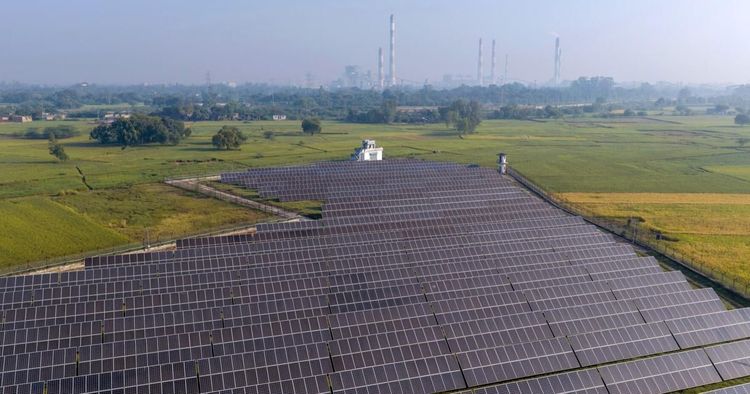
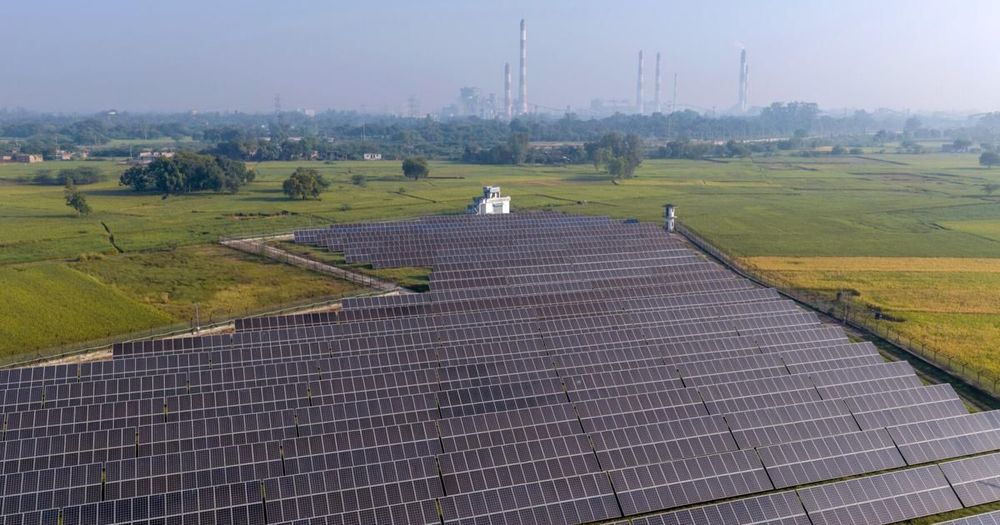
Among the solar installations contributing to this growth is the Unchahar solar power plant in Raebareli district, Uttar Pradesh. The 10-megawatt facility, commissioned in 2014, operates alongside the 1,550-megawatt Feroze Gandhi Unchahar Thermal Power Plant. Both facilities are operated by NTPC Limited, India's largest power utility company with a total installed capacity exceeding 51,000 megawatts across 48 stations nationwide.
NTPC acquired the Unchahar thermal power facility from the Uttar Pradesh State Electricity Board in 1992, and has since expanded operations to include renewable energy projects. The co-location of solar installations with existing thermal power infrastructure has become a common strategy for optimizing land use and transmission connectivity.
Manufacturing Capacity Surge
India's domestic solar manufacturing sector has experienced explosive growth to support the installation boom. Solar module manufacturing capacity has expanded from just 2.3 gigawatts in 2014 to over 172 gigawatts by March 2026, with approximately 98 gigawatts added in the 2025-26 financial year alone. This dramatic increase has been driven by government initiatives including the Production Linked Incentive scheme, which aims to reduce dependence on imported panels and strengthen domestic manufacturing capabilities.
The country's total installed electricity capacity surpassed the 500-gigawatt mark in September 2025, providing a strong foundation for continued renewable energy integration. The rapid expansion of solar infrastructure, supported by both large utility-scale projects and distributed generation, positions India as one of the world's fastest-growing solar markets.
The transition toward renewable energy sources represents a significant shift in India's power generation mix, driven by policy commitments to reduce carbon emissions while meeting growing electricity demand. With several years remaining before the 2030 deadline, the current trajectory suggests India may exceed its initial renewable energy targets, potentially setting new benchmarks for clean energy deployment in emerging economies.