The Scale of Ratepayer Impact
With midterm elections approaching, Congress is grappling with how to shield residential electricity customers from the growing costs of AI data center expansion. Yet determining exactly how much of those infrastructure expenses fall on ordinary ratepayers proves surprisingly complex, varying significantly by utility company and state regulatory frameworks.
The debate has intensified on Capitol Hill, where lawmakers are advancing competing proposals. Republicans are pushing the Ratepayer Protection Act, sponsored by Ohio Senator Jon Husted, which would have state utilities consider holding large-load customers responsible for increased costs. The bill passed the House in September with strong bipartisan support.
Senate Minority Leader Chuck Schumer opposes the measure, calling its ratepayer protections voluntary. Instead, he backs the GRID Savings Act from New Mexico Senator Martin Heinrich, which he characterizes as having stronger enforcement mechanisms.
Husted faces a competitive reelection campaign against Democrat Sherrod Brown, who lost his Senate seat to Bernie Moreno in 2024 by approximately four percentage points. Brown is now running again in 2026 and currently leads Husted in polls. Husted was appointed to fill the seat previously held by Vice President JD Vance. Brown has made Husted's previous support of data centers in Ohio a central campaign issue.
The Scale of Ratepayer Impact
PJM, a regional transmission organization coordinating the electricity grid and wholesale power market across 13 states and the District of Columbia, provides a window into the costs. The organization's Independent Market Monitor estimates that data centers have cost its 67 million ratepayers roughly $29 billion over approximately the past two years. In the last four PJM capacity auctions, data center-driven capacity charges totaled $29.4 billion, representing 46 percent of the $63.6 billion in total capacity charges during that period.
According to Ari Peskoe, director of the Harvard Electricity Law Initiative, these costs spread across the region to every business and resident with an electricity meter.
In Maryland, customers pay an estimated $168 to $216 more annually on electricity bills, primarily due to data center growth. Washington D.C. provides an even more specific example: Pepco residential customers saw bills increase by an average of $21 per month starting in June 2025, with approximately $10 of that attributed to capacity market price spikes driven by data center demand.
Beyond capacity charges, the Union of Concerned Scientists calculated that $4.3 billion in transmission expansion costs were passed to consumers in seven PJM states in 2024 to add power line and substation capacity accommodating data center demand.
Why Costs Are Hard to Track
Lucy Qiu, a professor at the School of Public Policy at the University of Maryland, explains that tracking data center impact on residential bills proves challenging. The timing and amount passed to residential customers depends on utilities' power-purchasing contracts, retail rates and regulatory decisions about cost allocation.
Data center growth pushes up wholesale energy costs by increasing demand, which determines how much generating capacity utilities and regional grid operators need to secure. There are also costs associated with building new power lines, substations and other infrastructure to connect data centers to the grid. Determining how much of that infrastructure exclusively serves data centers versus benefiting other customers complicates the accounting.
Connor Waldoch, co-founder and chief strategy officer at Grid Status, notes that utilities are building tens to hundreds of millions of dollars in infrastructure that ultimately appears in customer bills.
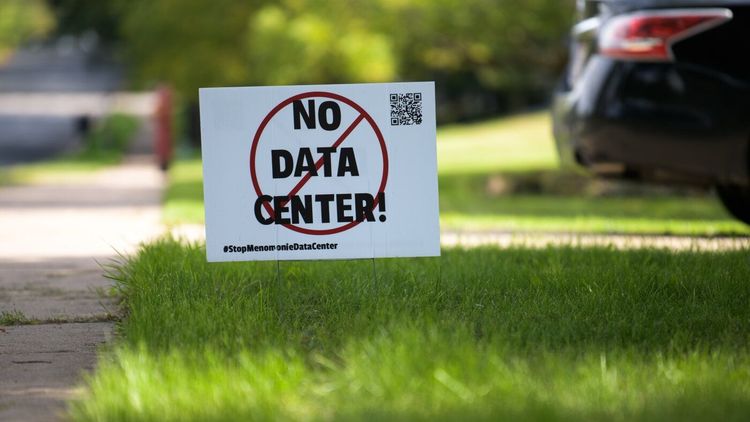
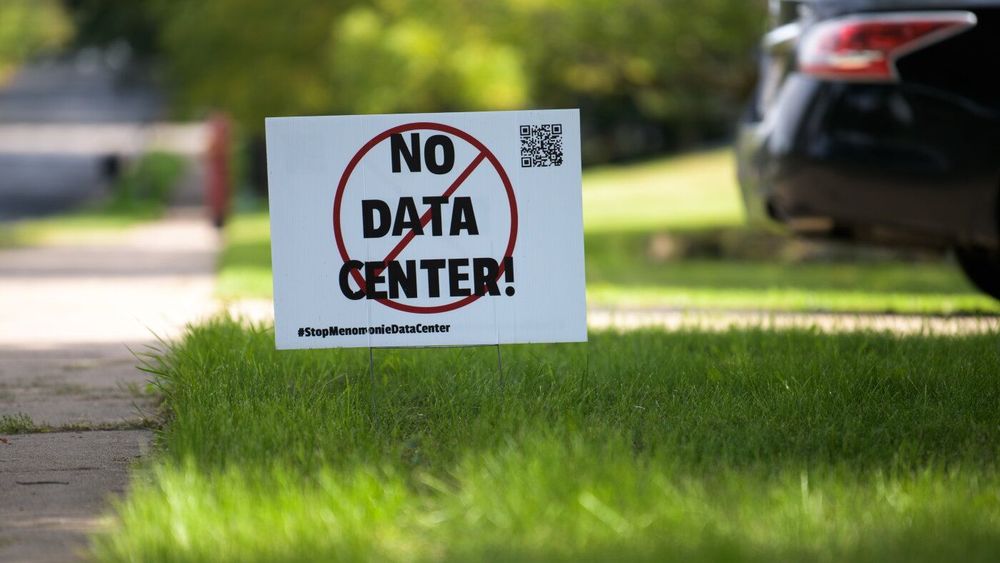
Harvard's Peskoe adds that arriving at a single, nationwide figure is impossible because much data about what particular data centers pay remains hidden behind non-disclosure agreements. These NDAs have become a major point of contention locally, as residents opposed to new data centers call out officials for the secrecy surrounding many deals. A University of Mary Washington study found that NDAs had been signed in 80 percent of Virginia localities with existing, approved or proposed data centers.
Northern Virginia: Ground Zero
Northern Virginia's Loudoun County, home to approximately 250 data centers, sits at the center of this debate. An estimated 70 percent of the world's internet traffic passes through the region's data centers, earning it the designation as the data center capital of the world.
In response to growing concerns, Loudoun County ended automatic data center development in March 2025 following a 7-2 Board of Supervisors vote. The change requires all new data centers to receive Board approval rather than automatic permitting, allowing for greater public input.
Jeremy L. Slayton, a spokesman for Dominion Energy, which serves Loudoun County, stated in an email that the utility recovers costs for distribution and transmission infrastructure from customers. He noted that all costs recovered from customers are reviewed and approved by the Virginia State Corporation Commission, the independent state agency regulating public utilities.
Looking Ahead
The challenge is intensifying. PJM's 2025 long-term load forecast shows peak load growth of 32,000 megawatts from 2024 to 2030, with nearly all of that growth coming from data centers. Globally, data center electricity consumption is projected to reach approximately 565 terawatt-hours in 2026, up 26 percent from 447 terawatt-hours in 2025, according to Gartner. AI-optimized servers are expected to account for 31 percent of data center power consumption in 2026.
The Natural Resources Defense Council has projected that PJM consumers could see utility bill increases of up to $163 billion through 2033 as steady data center power demand growth keeps supply strained and prices elevated. The organization estimates average families in the region could pay around $70 per month extra by 2028.
Qiu cautions that not all recent price increases link directly to data centers. Fuel costs remain a significant factor, and some new substations and power lines would have required replacement anyway due to extreme weather events. The data center boom, she notes, can accelerate necessary grid infrastructure upgrades that will also accommodate growing demand from electric vehicles.
The Other Side of the Equation
The economic picture includes substantial benefits alongside the costs. Loudoun County takes in close to $600 million annually in tax revenue from data centers, enough to cover all the county's operating expenditures. Data centers in the county paid approximately $26 for every dollar of local public services they required.
Qiu also points to evidence that resiliency improves for people living near data centers due to the robust infrastructure those facilities require. If there is a data center nearby, it can help improve local grid reliability and reduce power outages.
Still, the optics remain challenging. Big customers like AI data centers pay less per kilowatt-hour than residential customers through volume discounts. As Waldoch observes, in an environment where 70 percent of Americans worry that data centers will increase their electricity bills, the perception that these facilities pay less per unit of electricity than households do creates political friction, regardless of the economic justification.