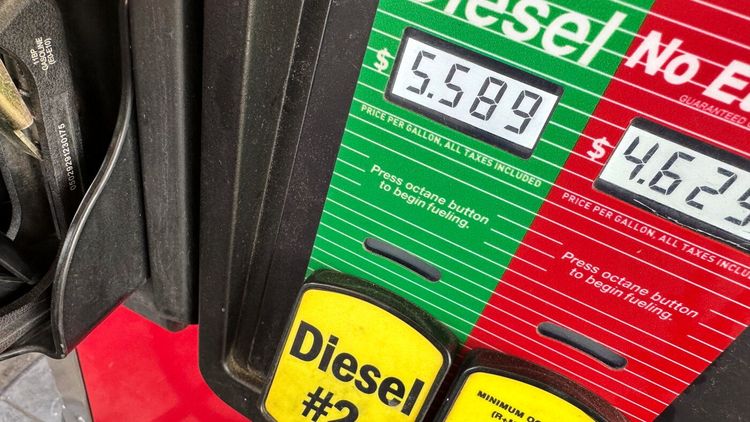
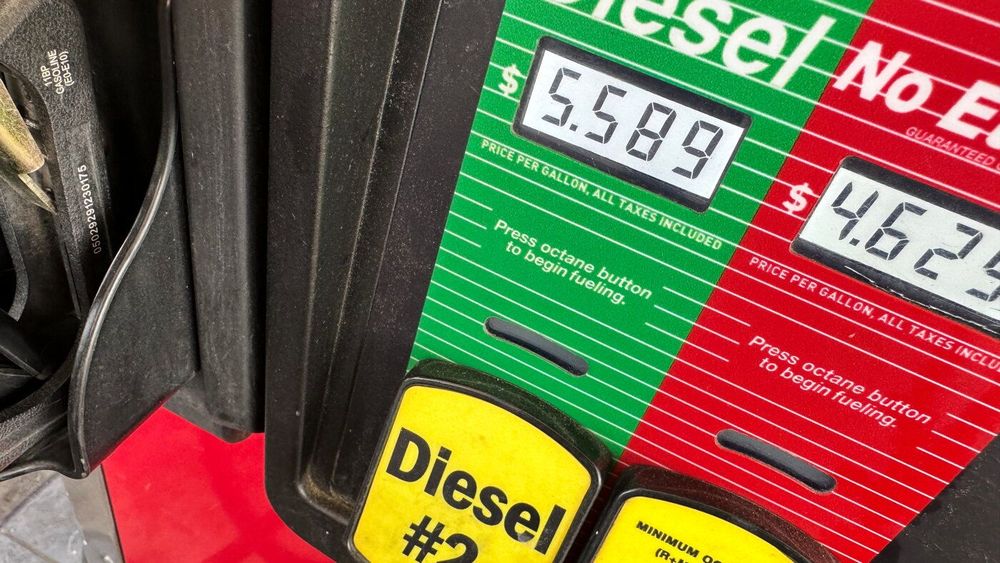
Why is diesel more expensive than regular gas?
When drivers pull into gas stations across America, they encounter a pricing puzzle that has persisted for two decades: diesel fuel costs significantly more than regular unleaded gasoline. This week, the national average for diesel stands at $6.38 per gallon, compared to roughly $4.40 for regular gas. The gap has grown so pronounced that Republican lawmakers have urged President Trump to consider banning diesel exports to ease domestic prices, though the American Petroleum Institute opposes such measures.
The premium pricing for diesel represents a relatively recent phenomenon in fuel economics. Before September 2004, diesel actually cost less than regular-grade gasoline at American pumps. Three interconnected factors triggered the reversal that fall, fundamentally altering the diesel market structure.
Global Industrial Expansion Drove Initial Demand Surge
The early 2000s witnessed unprecedented industrial growth in China and India, according to Clay Seigl, who leads the energy practice at Beacon Global Strategies. These emerging economies were simultaneously motorizing their populations and launching massive infrastructure projects, all powered primarily by diesel fuel. Agricultural mechanization in these regions further intensified diesel consumption.
Europe contributed to the demand spike as well. Diesel-powered passenger vehicles surged from just 13.8 percent of new car registrations in 1990 to 53 percent by 2007, creating sustained international pressure on diesel supplies.
While demand dynamics initiated the price shift in 2004, contemporary diesel costs reflect a different reality. Current elevated prices stem primarily from constrained supply rather than surging demand. The conflicts in Iran and Ukraine have reduced global refining capacity and crude production, yet diesel remains essential for powering freight trucks, locomotives, backup generators, and heating systems.
Environmental Regulations Added Production Costs
Federal air quality standards implemented in June 2006 required refiners to produce ultra-low sulfur diesel, dramatically reducing the maximum allowable sulfur content. The regulation aimed to decrease harmful air pollution from diesel engines, but achieving these cleaner fuel standards required more sophisticated and expensive refining processes.
The transition to ultra-low sulfur diesel increased both refining and distribution expenses for fuel companies. While these regulations took effect after the initial 2004 price crossover, they contributed to maintaining and potentially widening the price gap between diesel and gasoline in subsequent years.
Tax Structure Favors Gasoline Over Diesel
The federal government imposes different excise tax rates on diesel and gasoline. Since 1993, on-highway diesel has carried a federal excise tax of 24.4 cents per gallon, six cents higher than the equivalent tax on regular gasoline. This tax differential, though modest compared to overall fuel costs, represents a permanent structural advantage for gasoline pricing.
The Energy Information Administration identifies this tax gap as one of three primary factors explaining why diesel consistently commands premium pricing at American fuel pumps. Combined with supply constraints and higher production standards, the tax structure ensures diesel will likely remain more expensive than gasoline for the foreseeable future, absent major policy interventions or market disruptions.