WNBA Faces Rising Hate and Threats Amid Record Popularity
The Women's National Basketball Association is navigating a troubling paradox this season: while the league enjoys record-breaking popularity, players are simultaneously facing an alarming surge in harassment, death threats, and organized hostility at games.
NPR's Code Switch recently examined this phenomenon with independent journalist Frankie de la Cretaz and domestic extremism correspondent Odette Yousef, exploring both the origins of this unwanted attention and how the league is responding to the crisis.
The WNBA has achieved remarkable commercial success, with television viewership and arena attendance reaching all-time highs. Yet this mainstream breakthrough has attracted forces that go far beyond typical sports rivalry or criticism.
Threats Beyond the Court
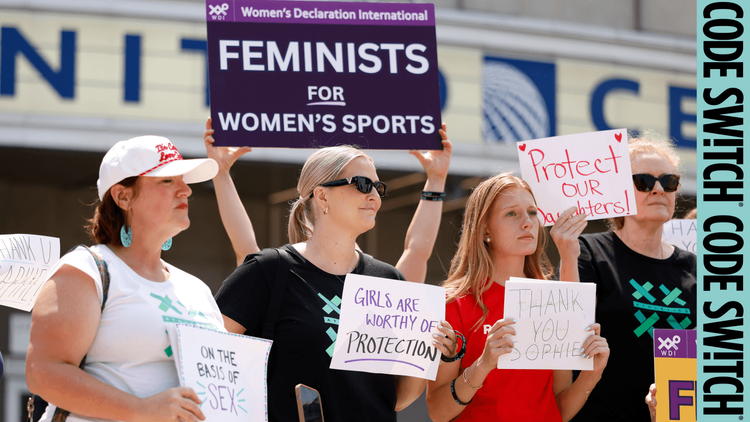
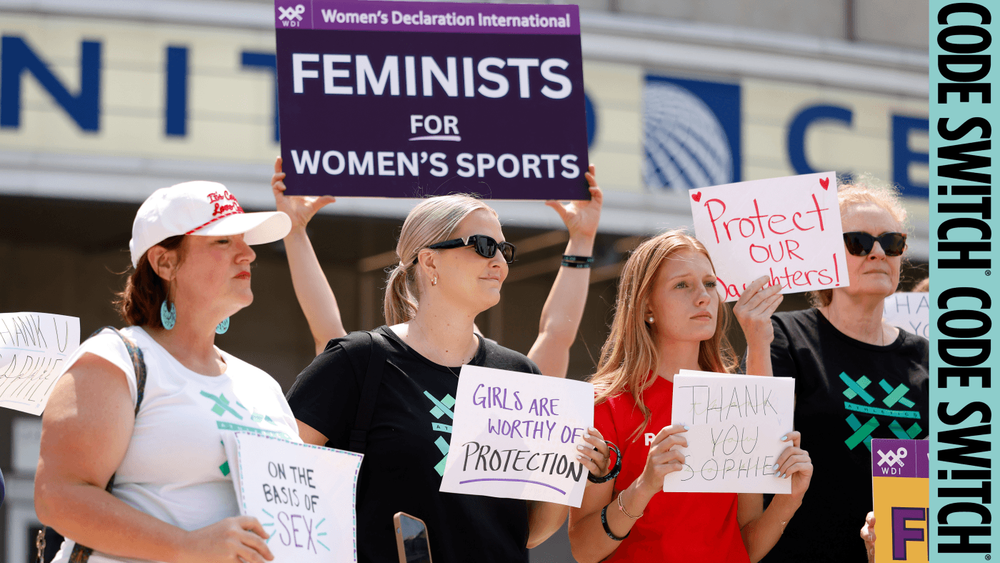
Players across the league have reported receiving death threats, while organized groups have staged protests at multiple games throughout the season. This harassment represents a significant escalation from the challenges women's sports have historically faced regarding media coverage and financial support.
The discussion with de la Cretaz focused on identifying the factors that transformed increased visibility into a vector for hate. The convergence of several cultural and political currents appears to have made the WNBA a target for groups seeking to weaponize women's sports in broader ideological battles.
The League's Response
Yousef's reporting highlighted the various strategies the WNBA has implemented to protect players and maintain safe environments at games. These measures reflect a careful balance between maintaining fan access and addressing genuine security concerns.
The league faces complex decisions about how to respond to organized harassment without amplifying the voices of those seeking attention through disruption. Security protocols have been enhanced at venues, while the organization works with law enforcement to assess and respond to credible threats.
The situation raises broader questions about the intersection of sports, gender, and political polarization in American society. Women athletes have long fought for recognition and equal treatment, but the current environment suggests that visibility alone does not guarantee acceptance.
A Critical Moment
The WNBA's current predicament illustrates how cultural progress can provoke backlash from those threatened by changing norms. As the league continues to grow in prominence and influence, it must simultaneously develop systems to protect players from those who view that success as objectionable.
The conversation documented by Code Switch underscores that the challenges facing women's professional sports extend beyond questions of pay equity or media coverage. They now encompass fundamental issues of safety and the right to compete without facing coordinated campaigns of intimidation.
For the WNBA, maintaining momentum while ensuring player welfare represents one of the most significant tests in the league's history. The coming months will reveal whether professional sports organizations can effectively counter organized hate while preserving the open, accessible environment that has helped fuel the league's growth.