Commentary woven into scripture
The post opens with an insulting headline directed at a news source and accuses it of supporting the evil figs. It then distinguishes those figs from Israel, describing them as people who falsely claim to be Jews and invoking the biblical phrase about a synagogue of Satan.
The author reproduces Jeremiah 24:1-10 with commentary inserted through parentheses, brackets, capitalization and quotation marks. Four images accompany the text.
The inserted remarks emphasize that the passage concerns the southern kingdom of Judah, not the northern kingdom of Israel. The author associates the good figs with the bloodline of Judah and Jesus, whom the post describes as the author of Christianity. In contrast, it associates the bad figs with Cain's offspring, identified as Kenites, and portrays Satan as the author of Judaism.
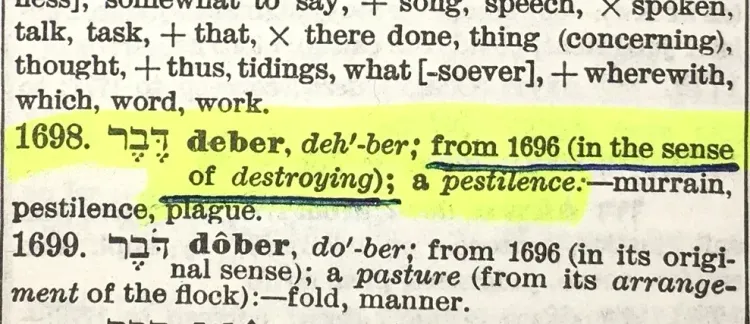
These associations are supplied by the post's commentary rather than by the quoted verses themselves. The author also applies the passage's threat of destruction to the people it labels Kenite Jews.
The passage and the author's additions
The biblical scene quoted in the post takes place after Babylon's King Nebuchadrezzar has taken Jeconiah, Judah's princes, carpenters and smiths from Jerusalem into captivity in Babylon. Jeremiah sees two baskets before the temple: one containing good figs and the other containing figs too spoiled to eat.
In the quoted passage, God compares the good figs to the captives from Judah. The verses promise to bring them back, build them up rather than tear them down, and plant them rather than uproot them. They also promise that the captives will receive a heart to know God and return to him wholeheartedly.
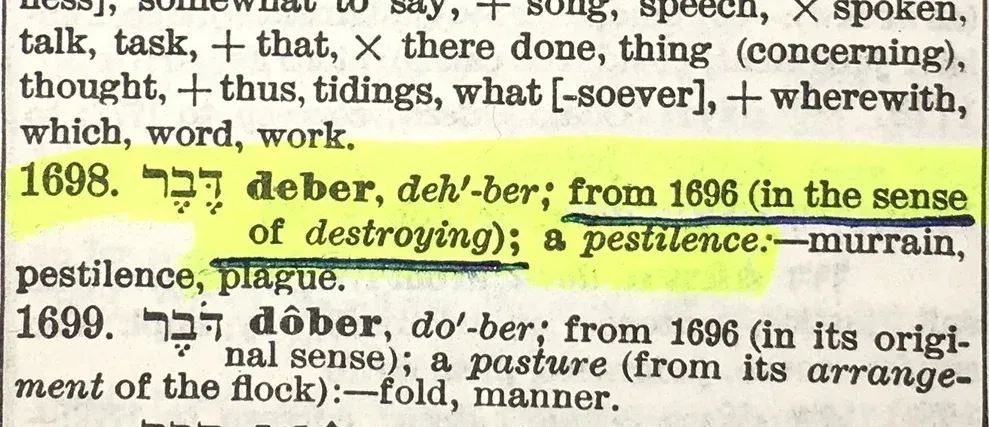
The bad figs are associated with King Zedekiah of Judah, his princes, those remaining in Jerusalem and those living in Egypt. The passage describes their dispersal among kingdoms, where they will face reproach and curses, and threatens them with sword, famine and pestilence until they are destroyed from the land.
The post adds further interpretations to those promises and threats. It connects the promised restoration to New Jerusalem in a third earthly or heavenly age and interprets pestilence as a false messiah associated with the people it calls Kenite Jewish scribes.