New rules after leadership disruptions
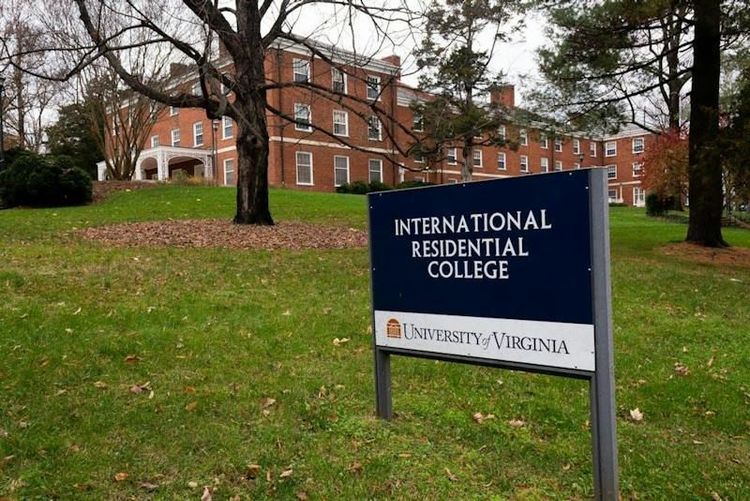
IRC Council approved its new constitution on March 22, 2026, with immediate effect. The constitution and revised bylaws address gaps in the previous documents, which gave members little direction on running events, dividing responsibilities or resolving administrative problems.
The redraft followed several departures in fall 2025. Jill Jones, who had managed administrative work since the IRC opened in 2001, retired as office manager. Principal and Architecture Professor Phoebe Crisman went on sabbatical, while the Council's prime minister and one external relations minister resigned before their terms ended.
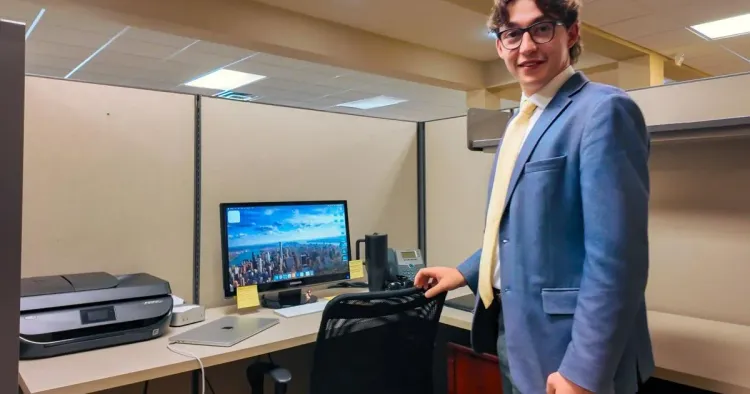
Philippe Hempel, the current prime minister and a fourth-year architecture student, said the old arrangement sometimes left one minister handling three people's responsibilities. Council intends the new framework to establish distinct duties and a budget members can follow, without making community activities more bureaucratic.
One planned initiative would allow residents to request an event through a form, then receive Council funding and help organizing it. The events would be small in scale. Hempel described the goal as shifting Council's work from organizing dozens of activities itself to supporting activities conceived and led by residents.
Budgeting also has become more constrained. According to Hempel, Housing & Residence Life now imposes requirements, budget cuts and spending restrictions on a Council that previously operated independently. He said members want to use residents' contributions effectively while avoiding either overspending or leaving money unused at year's end.
The exchanges residents want to preserve
The IRC's mix of students is central to its purpose. UVA Housing & Residence Life describes it as the largest of the University's three residential colleges, with more than 300 students: about 70 percent domestic and 30 percent international. Hempel said the idea was to encourage exchange between those groups, not separate international students from the rest of UVA.
For Hempel, who transferred to UVA, that exchange included an unexpected invitation to a Moroccan tea party at 11 p.m. The host was Aymane Fikrine, a student of Moroccan descent who graduated in 2026. A conversation ranging from tea and Morocco to immigration and world news began their friendship.
Ona Zhao, a second-year College student from Beijing, recalled preparing Moroccan food with friends from Northern Virginia and Ethiopia while they played classic Chinese love songs from the 1980s. The songs reminded her of music she had heard with her grandparents. She appreciated seeing friends from different backgrounds enjoy part of her culture.
Residents apply to join that environment. Through the Housing & Residence Life application, students rank their preferences among the residential colleges. Those who select the IRC also write short responses explaining their interest in a diverse community and what they would contribute.
Annie Eubanks, a second-year College student and resident advisor returning for her second year at the IRC, said spending time with people whose experiences differ from hers has broadened her outlook in ways classroom learning alone would not. Second-year College student Noel Gilchrest, whose half-Ethiopian background drew him to the college, said he reapplied because he found a respectful community where he could express opinions without fear of judgment.
Council's role in community life
As the IRC's student government, Council manages funding and recruitment and speaks for residents within the wider University. Residents elect its executive members each spring. Alongside the prime minister, ministers oversee finances, records, community operations, external relations, interior affairs and recreation. Members meet weekly to share updates, discuss proposals and vote.
Council supports both everyday activities and larger celebrations. Its work includes a table where residents can share food, intramural sports, and annual programming for Hispanic Heritage Month, Lunar New Year and Diwali.
Sneha Uppal, the minister of records and a fourth-year College student, said organizing cultural events requires listening rather than assuming Council members know every tradition. Residents can practice traditions on their own terms, including arranging a religious ceremony with Council resources alongside a broader cultural event.
Uppal, who is considering international law as a career, said living at the IRC has helped her learn to communicate across cultures. Hempel said serving the community has given him a sense of purpose and sparked an interest in public service, including working through bureaucracy to pursue changes.
A college with an international mission
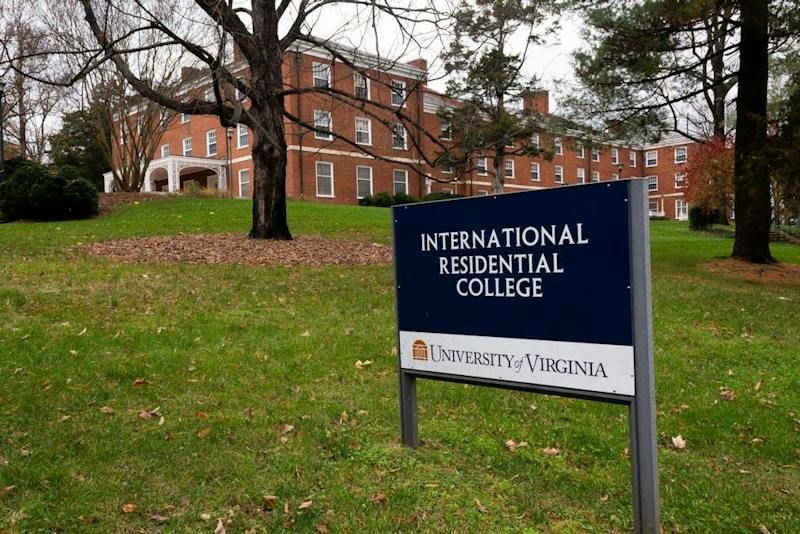
Founded in 2001 as part of former UVA President John T. Casteen III's international outreach vision, the IRC was intended to foster inclusion and bring global perspectives into campus life. It is one of three residential colleges, alongside Hereford and Brown. Brown, established in 1986, was UVA's first.
As of spring 2026, Hempel reported that 308 residents lived in the IRC's four residential buildings: Munford, Yen, Gwathmey and Hoxton houses. Munford House was built in 1952 as UVA's first dormitory specifically for women. Its namesake, Mary Munford, was the first woman on the University's Board of Visitors and advocated for women's education and civil rights.
Yen House, built in 1984, honors W.W. Yen. In 1900, he became the first Chinese student and the first international student to earn a UVA bachelor's degree.
The principal's residence is Morea House, built in 1835 by John Patten Emmet, UVA's first professor of natural history. Listed on the National Register of Historic Places, it remains one of the oldest active residences on Grounds.
UVA's School of Architecture announced on April 7, 2026, that Abbey Stockstill had been appointed IRC principal. Stockstill holds the Thomas Jefferson Foundation Chair and is an associate professor of architectural history. Her move into Morea House was scheduled for July 2026.
Housing changes and continuity
Changes to UVA's housing application process also took effect for 2026-27. Rising second-year students now receive first priority for on-Grounds housing, and the University eliminated the "same area" renewal option that allowed rising third- and fourth-year students to remain in their current area.
UVA spokesperson Bethanie Glover said the policy reflects the University's strategic-plan goal of housing all first- and second-year students on Grounds by 2030.
Eubanks emphasized the continuity residents have found at the IRC, noting that many fourth-year students have lived there throughout their time at UVA. She described the value of having "a place to really call home."