Funding for day-to-day expenses
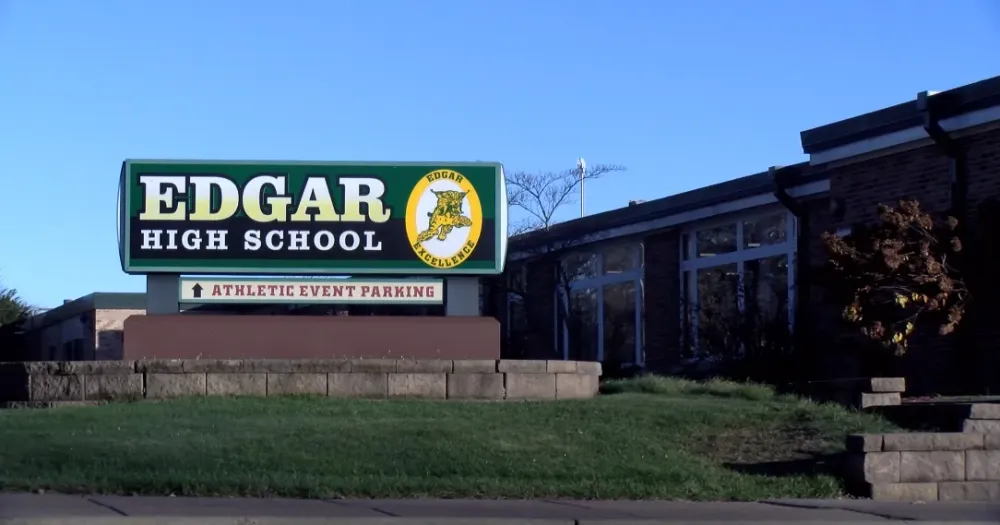
The $1.4 million referendum takes effect in July 2027. Guden told WJFW it represents a $450,000 increase over the district's current referendum, which expires next summer.
"We will be utilizing those funds really to continue to operate," Guden said. "Just costs in general continue to rise so with this approved referendum we will continue to be financially responsible for our utilities, our transportation and really the ongoing operating expenses."
Without voter approval, Guden said, the district would have needed to cut $1 million from its $10 million budget. Staffing, bus routes and maintenance were among the areas that would have faced reductions.
Guden thanked residents for supporting the district while acknowledging their frustration with repeated requests for more money. She said cooperation between the district and the community benefits students, staff and residents.
State aid falls behind costs
Guden attributed the need for the referendum to a state school funding formula that she said has not kept pace with inflation. Edgar's vote comes as many Wisconsin districts face declining general aid.
Final figures released by the Wisconsin Department of Public Instruction on Oct. 15, 2026, showed that 62% of districts were set to receive less state general aid in 2026-27 than a year earlier. The department attributed the decline to a state budget that added no money for general school aid for the third consecutive year.
The 2025-27 budget left general school aids unchanged in both years. According to News From The States, the last biennial budget with flat or declining general aids in both years was 2009-11, when Wisconsin faced a deficit.
This time, the state closed its most recent fiscal year with a $3.3 billion budget balance and a record $2.1 billion in its "rainy day" fund, News From The States reported in October 2026, even as general school aid received no increase.
Inflation and special education funding
An analysis by the Wisconsin Association of School Business Officials, cited by News From The States, put the cumulative gap between actual per-pupil general operating revenue and what schools would have received had it kept pace with inflation at $3,571 per student in 2026.
The analysis also found that Wisconsin schools were carrying about $1.29 billion in special education costs not reimbursed by state or federal aid.
Guden said she hopes Wisconsin changes both its school funding formula and special education funding to better meet public schools' needs.