How a new 'tip line' will expose DOJ's Trump fraud coverup: security expert
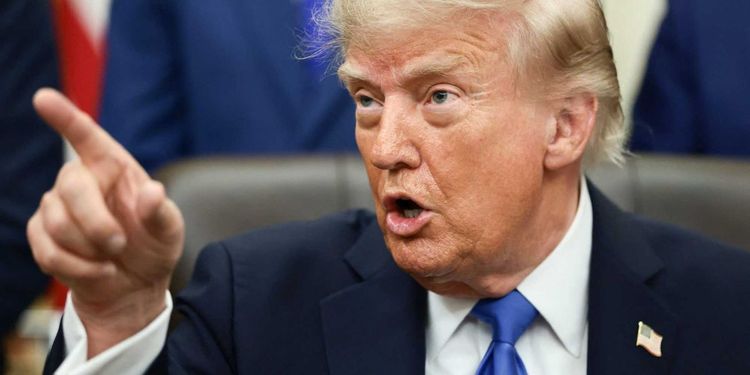
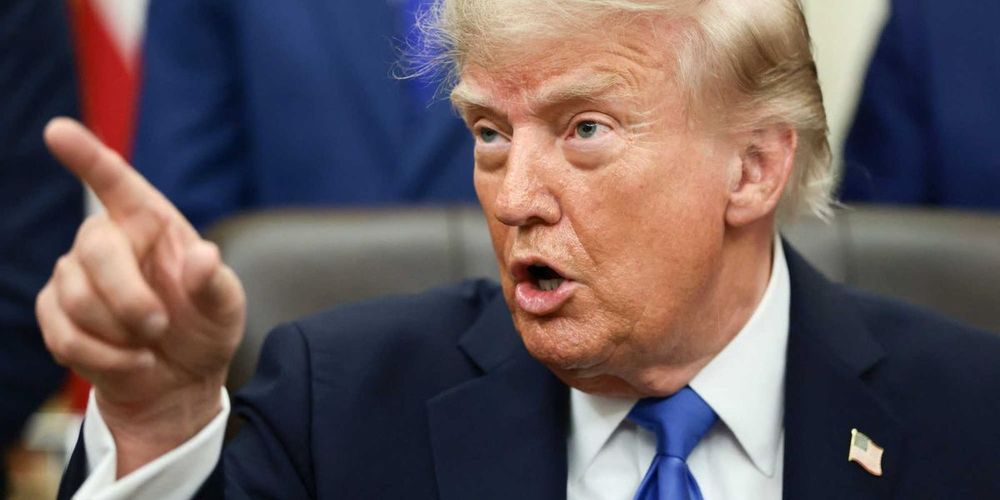
President Donald Trump has announced a new government fraud tip line that will pay citizens up to $30,000 for successful reports of waste, fraud and abuse. The $25 million program, administered by the Department of Justice and overseen by Vice President JD Vance's task force, allows tips to be submitted through a government website.
The initiative comes as national security journalist Marcy Wheeler, who has extensively covered DOJ prosecutions and executive power issues through her website emptywheel.net, predicts the program could backfire. Wheeler suggests the tip line will generate a flood of material subject to Freedom of Information Act requests that may reveal why the DOJ declines to prosecute certain fraud cases.
Under FOIA, federal agencies must disclose records upon request, with limited exemptions for ongoing law enforcement investigations, national security matters, and certain deliberative materials. Wheeler's prediction hinges on the transparency requirements that would apply to tip line submissions and DOJ decision-making.
The first reward of $10,000 went to right-wing content creator Nick Shirley for a video about fraudulent daycare centers in Minnesota. However, four of the centers featured were already under investigation by the Minnesota Department of Children, Youth and Families. Federal prosecutors have been charging individuals in Minnesota childcare fraud schemes since at least 2022, targeting what authorities described as widespread fraud in pandemic-era nutrition programs.
Existing federal fraud infrastructure
The new program adds to an extensive existing framework for combating government fraud. The False Claims Act, enacted in 1863, already allows private citizens to file qui tam lawsuits on behalf of the government and receive 15 to 30 percent of recovered funds. In fiscal year 2024 alone, the Department of Justice recovered over $2.9 billion through False Claims Act cases, with whistleblowers receiving approximately $394 million in awards.
Federal whistleblower programs across agencies including the SEC, CFTC, and IRS offer rewards ranging from 10 to 30 percent of recovered funds. The SEC whistleblower program has awarded over $2 billion since its 2012 inception, significantly exceeding the $30,000 maximum available through the new tip line.
Beyond whistleblower programs, the federal government maintains substantial anti-fraud machinery. More than 70 Inspector General offices across agencies including the Department of Homeland Security and IRS employ thousands of fraud investigators with statutory independence from agency leadership. The IRS Criminal Investigation division alone employs approximately 2,000 special agents focusing on tax fraud, money laundering, and other financial crimes.
Capacity concerns amid staffing cuts
Questions have emerged about the government's capacity to handle an influx of fraud tips. The DOJ's Civil Fraud Division, which would typically investigate such matters, saw staffing cut by 25 percent amid layoffs directed by the Department of Government Efficiency. DOGE, announced by President Trump in late 2024 with Elon Musk as a key advisor, aimed to reduce federal workforce and spending through executive actions and recommended legislation.
The Civil Division historically employed approximately 1,200 attorneys across sections including Consumer Protection, Immigration Litigation, and Federal Programs. By September 2026, internal DOJ charts showed substantial declines in Civil Division attorney staffing alongside rising caseloads. The Justice Department responded that the division had hired more than 200 attorneys since the administration began, with additional hires planned.
Critics have questioned whether the new tip line represents an effective use of resources given existing mechanisms. One observer noted that government fraud is already prosecuted primarily through whistleblowers under regulatory systems, while others questioned whether tips about fraud by White House members, including the president, would qualify for rewards.
According to The Wall Street Journal, the program will accept tips through a dedicated government website, with the Justice Department evaluating submissions and awarding payments when tips lead to convictions.