Pediatricians raise the alarm on the effect of Trump's immigration crackdown on kids
When M's son woke up struggling to breathe one summer morning in southern Maryland, she faced an agonizing decision. The boy, a U.S. citizen with a history of asthma, clearly needed medical attention. But M and her husband are undocumented, and she worried about encountering immigration enforcement on the way to the clinic.
"All the roads northbound have had ICE operations on them," she explained in a voice message, asking to be identified only by her first initial. She decided to wait.
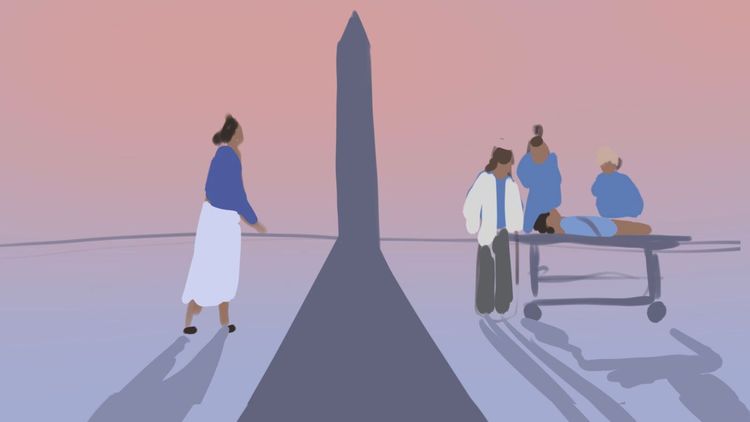
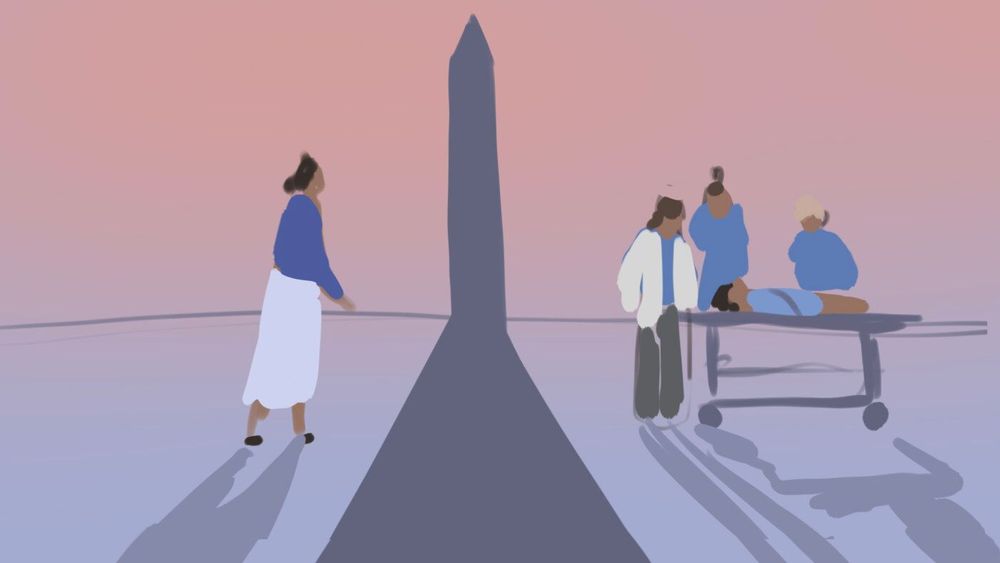
Hours later, as her son's lips turned blue, the family finally took the bus to a local clinic. The doctor immediately recognized the severity of his condition and administered oxygen before arranging an emergency helicopter transport to Washington, D.C. The boy had developed a respiratory infection that triggered a severe asthma attack. Hospital staff told M she should have brought him in sooner.
Her experience reflects a troubling pattern documented in a new national survey by the American Academy of Pediatrics. Between April and June 2026, more than 1,600 pediatricians across the country responded to the survey, with 40% reporting that families in their practices are staying away from medical care due to immigration concerns. Thirty percent observed families hesitant to apply for public health services like Medicaid, while others noted children being kept home from school.
"A visit with your pediatrician is an opportunity to catch acute issues before they get worse," said Dr. Lee Beers, the academy's chief medical officer. "If those concerns are not identified early and addressed promptly, they can have really long term and serious health impacts on children."
Policy shifts deepen healthcare access concerns
The fears driving families away from care stem from multiple policy changes. When President Trump returned to office in January 2025, the administration rescinded sensitive-location protections for hospitals that had been in place under President Biden, removing restrictions that previously limited ICE enforcement actions at medical facilities.
Documented incidents have followed. On February 19, 2026, ICE agents arrested Adrian Sotelo Guzman in Minneapolis and later removed him from the emergency room at M Health Fairview Southdale Hospital in Edina, Minnesota. Physicians in Minnesota have reported high appointment no-show rates and increased requests for home births from patients afraid to enter hospitals.
The landscape grew more complicated on September 18, 2026, when the Trump administration's revised public charge rule took effect. The new regulation expanded the types of public benefits that immigration officers can consider when deciding whether people can enter the U.S. or obtain legal residency. Unlike the Biden-era standard that only counted cash assistance and long-term institutional care, the new rule encompasses a wider range of benefits including Medicare and food assistance programs like SNAP.
For the first time, immigration officers can now consider benefits used by family members, including U.S. citizen children, when assessing a parent's green card application. With approximately 580,000 to 588,000 green card applicants subject to public charge reviews annually, the policy affects hundreds of thousands of families.
Hospital reporting requirements add to anxiety
Separate state-level policies have compounded immigrant families' concerns about seeking hospital care. Florida enacted Senate Bill 1718 in May 2023, requiring hospitals that accept Medicaid or CHIP funding to collect information on patient immigration status. Texas Governor Greg Abbott issued a similar executive order in August 2024, which took effect November 1, 2024.
Under Florida's law, nearly 8% of people admitted to hospitals and about 7% of emergency room patients declined to answer the immigration status question from June to December 2023. Fewer than 1% reported being in the U.S. illegally. While hospitals in both states cannot deny emergency care based on immigration status, and patients have the right to refuse to answer such questions, the policies have contributed to widespread apprehension.
A Maryland health clinic doctor, who requested anonymity to protect her largely immigrant patient population, anticipates serious long-term consequences.
"We're seeing patients who aren't coming in not just for routine screening, but their diabetes checkup, their blood work done," she said. "Maybe in a year we'll see a bump in heart attacks and strokes in this population."
She emphasized the broader public health implications:
"If we have patients who are afraid to go get vaccines, that affects everybody. We've already seen what's happened with measles in this country in the last few years. It hurts the whole community."
Legal challenges mount
On September 14-15, 2026, New York Attorney General Letitia James led a coalition of 22 states and the District of Columbia in filing a lawsuit against the Department of Homeland Security in the U.S. District Court for the Southern District of New York. The states—including California, Colorado, Connecticut, Delaware, Hawaii, Illinois, Maine, Maryland, Massachusetts, Michigan, Minnesota, Nevada, New Jersey, New Mexico, Oregon, Rhode Island, Vermont, Virginia, Washington, and Wisconsin—argue the new public charge interpretation could keep people from accessing basic health services.
"Hardworking families should not be forced to go without the support they need because they fear asking for assistance will get them deported," James said in a news release.
DHS responded by email:
"This is the ideological contortion required by left-wing leaders to justify their defrauding of the American taxpayer at the hands of illegal criminals."
Dr. Beers noted that keeping children away from school compounds health risks.
"They can receive health services within the school. They can receive mental health services. It's a place where caring and supportive adults can help identify if there's an emerging health issue or mental health issue."
For M and her son, the delay in seeking care nearly proved catastrophic. When she finally reached the hospital in Washington, navigating past landmarks she called dangerous, her primary concern remained whether immigration enforcement would be waiting. A nurse at the Maryland clinic had paid for her Uber ride, enabling her to reach her critically ill child.