Fictional Educators Who Shaped Us Through Screens
As nearly half of U.S. schools opened their doors by mid-August this year and an estimated 54.4 million students and 5.9 million teachers settle into the fall 2026 semester, NPR's Pop Culture Happy Hour turned its attention to a different kind of classroom: the fictional educators who shaped us through screens rather than textbooks.
The podcast's latest episode examines teachers from film and television who truly saw their students, challenged perspectives, or set young people on transformative paths. Hosts Linda Holmes, Glen Weldon, and Aisha Harris discuss four productions featuring educators who remain cultural touchstones decades after their initial releases.
The Inspirational Choir Director
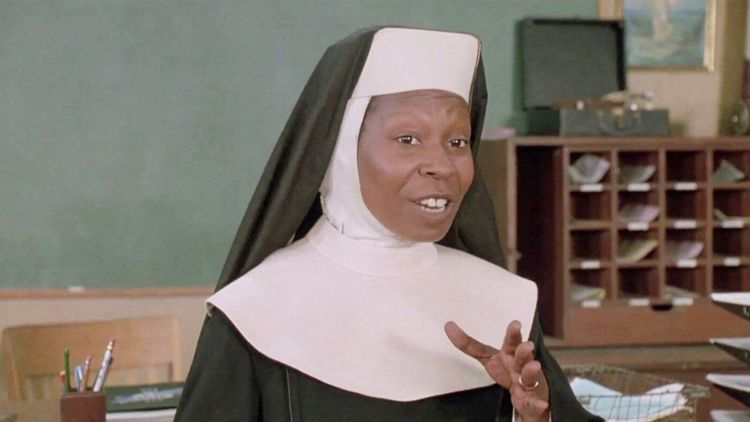
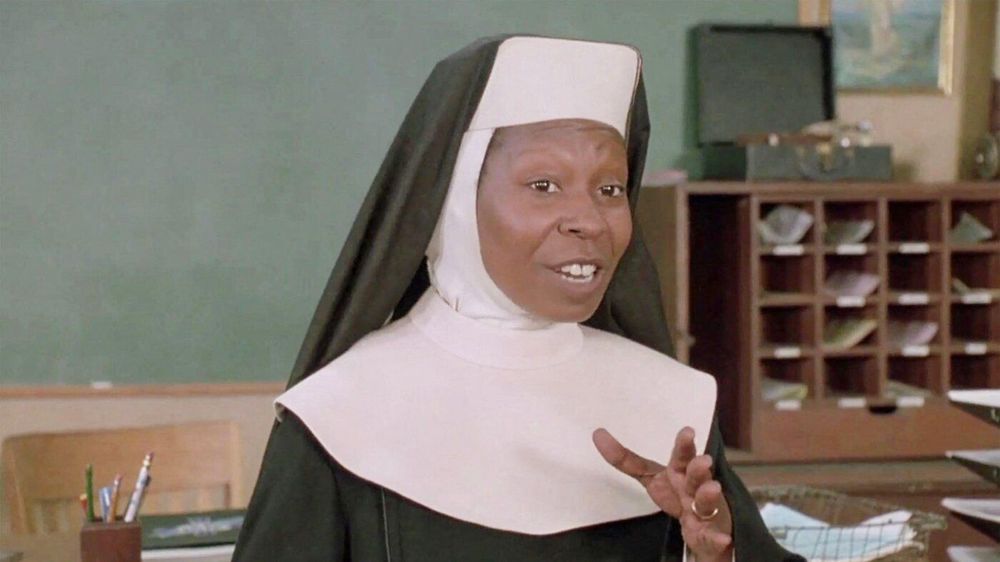
The 1993 film Sister Act 2: Back in the Habit, which featured Whoopi Goldberg returning to her nun persona to save a struggling school music program, drew from real-life inspiration. The film was loosely based on Crenshaw High School choir instructor Iris Stevenson, lending authenticity to its portrayal of a teacher transforming students through music. Despite receiving a 7% rating on Rotten Tomatoes and generally negative critical reviews, the film became a cultural phenomenon and served as the breakout role for Lauryn Hill, helping launch her musical career.
The Refuge-Providing English Teacher
My So-Called Life, which aired on ABC from August 25, 1994 to January 26, 1995, ran for only one season before cancellation despite critical acclaim. The show launched the careers of Claire Danes, Jared Leto, and Wilson Cruz while presenting Richard Katimski, portrayed by Jeff Perry, as a gay English and drama teacher who provided refuge to struggling student Rickie Vasquez. The character represented groundbreaking television for its era, showing how teachers can offer safe spaces for students navigating difficult circumstances.
The Summer Poetry Instructor
Released on November 27, 1991, My Girl featured Griffin Dunne as Mr. Bixler, protagonist Vada's fifth-grade English teacher who also taught an adult poetry writing class during summer months. Filmed in Bartow and Sanford, Florida, the production proved commercially successful, grossing $121.5 million against a $17 million budget. The character exemplified how teachers extend their influence beyond standard classroom hours and age groups.
The Sci-Fi Mentor
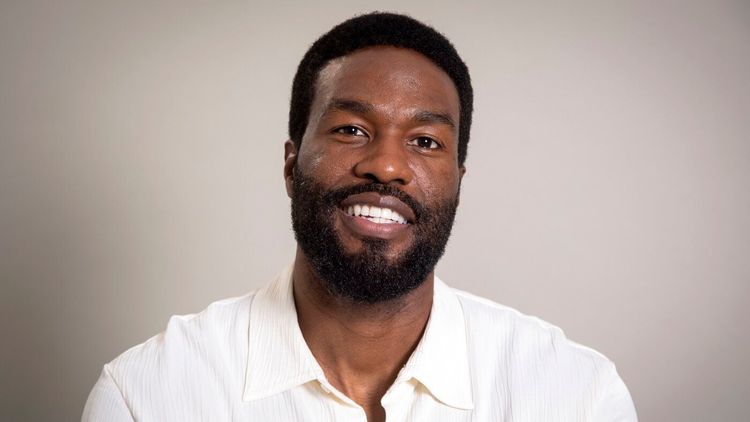
Dune: Part One brought a different type of educator to the discussion: Thufir Hawat, portrayed by Stephen McKinley Henderson, who serves as a Mentat—a human computer—and one of Paul Atreides' three teachers. As House Atreides' Master of Assassins, Hawat represents how mentorship in speculative fiction can encompass both intellectual development and survival skills, preparing students for the unique challenges of their worlds.
The podcast encourages listeners interested in similar content to explore previous episodes including discussions on reality TV judging, aspirational television settings, and American dream portrayals across various media. Listeners can connect with Pop Culture Happy Hour through social media platforms and access bonus episodes through NPR+.