16 cozy activities to add to your fall bucket list
As autumn arrives—officially beginning on September 22, 2026 at 8:05 p.m. EDT when the sun crosses the celestial equator—many people reach for the same seasonal standbys: wreaths, candles, and cozy sweaters. But the changing season offers opportunities for rituals that go far beyond conventional fall traditions.
With days losing between 2 and 3 minutes of daylight during September in mid-latitude regions, and research showing that the transition to standard time can trigger depressive episodes in some individuals, experts suggest embracing activities that acknowledge both the beauty and challenges of the season. Here are 16 ways to make the coming months feel meaningful and restorative.
Nourish Yourself with Warming Foods
Chef and author Sohla El-Waylly recommends elevating your soup game with an unexpected ingredient: MSG. The FDA classifies monosodium glutamate as generally recognized as safe, and El-Waylly says a pinch adds savory depth that keeps you reaching for another spoonful.
Small dietary shifts can reframe how you experience cooler weather. Health psychologist Kari Leibowitz, author of How to Winter: Harness Your Mindset to Thrive on Cold, Dark, or Difficult Days, suggests swapping cold breakfasts for hot ones. These tiny changes, she explains, redirect attention from negatives toward what you genuinely enjoy about the season.
For easy comfort food, food writer Melissa Clark champions one-pan meals that minimize cooking and cleanup time. Her baked pasta with tomato, sausage, and ricotta delivers warmth and satisfaction while leaving more time for relaxation.
Create Space for Reflection
Psychologist Christina Costa recommends writing gratitude letters to people you haven't properly thanked. Research shows this practice leads to significantly better mental health four weeks and even 12 weeks after the writing exercise, with benefits occurring whether or not the letters are sent. Costa suggests thinking of a K-12 teacher if you need inspiration—expressing gratitude to educators often provides a substantial emotional boost.
Clinical psychologist Andrea Bonior encourages taking stock of holiday traditions before the busy season arrives. Reflect on what particular celebrations should mean to you. Is it about giving back? Gratitude? Finding light in darkness? If traditions feel obligatory rather than meaningful, consider making intentional changes.
Cultivate Comfort at Home
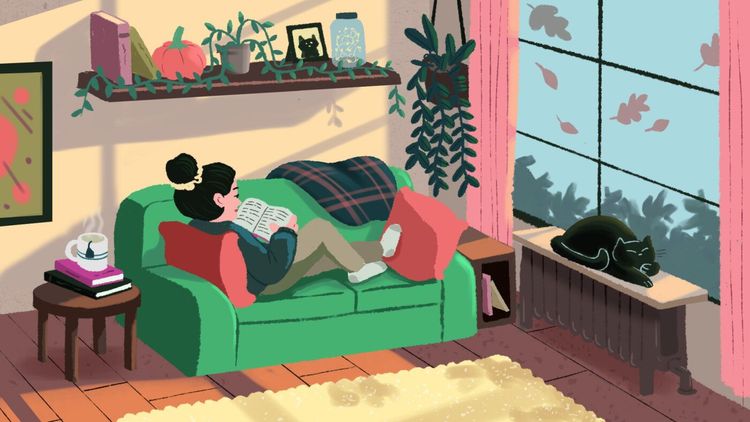
Interior designer Elaine Griffin suggests decorating for all five senses to create an immersive autumn atmosphere. Layer velvety blankets over furniture, choose candles with crackling wicks, hang cinnamon brooms for scent, display decorative gourds, and keep fresh-baked cookies on hand.
Psychologist Sally Augustin, who specializes in environment and design, recommends rotating cherished mementos throughout your home like a visiting museum exhibit. Swap photos, knick-knacks, or artwork monthly to refresh your environment and reinforce a sense of control over your surroundings.
Indulge in Simple Pleasures
NPR books correspondent Lynn Neary loves spending weekend mornings reading in bed. Starting the day this way, she notes, leaves you awake and engaged rather than drowsy.
Even when temperatures drop and darkness arrives early, Leibowitz advocates for evening walks. They leave you feeling calm and ready for bed, she says. In Norway, she learned a helpful mindset: there's no such thing as bad weather, only bad clothing.
For movie lovers, Devika Girish, co-deputy editor of Film Comment Magazine, suggests creating a home theater experience. Use the biggest screen available, gather blankets, and prepare special snacks like crisped chickpeas or hot cider to mimic the immersive feeling of a cinema.
Prioritize Rest and Energy
With approximately 5% of U.S. adults experiencing Seasonal Affective Disorder during fall and winter—and another 10-20% dealing with milder symptoms—intentional rest becomes crucial. Women are four times more likely than men to experience SAD, making self-care particularly important for many.
Tricia Hersey, author of Rest is Resistance: A Manifesto, blocks off a full rest day each week on her calendar. She avoids email and work-related tasks, simply allowing herself to exist without productivity demands.
For those unable to take entire days off, Dr. Saundra Dalton-Smith, author of Sacred Rest, recommends sensory breaks. After hours of screen time, close your eyes for five to ten minutes, similar to rebooting a frozen computer. Alternatively, gaze at distant objects through a window to reduce eye strain.
Clinical psychologist Aarti Gupta addresses the fear of missing out that can arise when choosing rest over social activities. She suggests reminding yourself why you're making particular choices—whether it's recharging after a demanding week or preparing for an early commitment. Human life involves constant trade-offs, and honoring your needs matters.
Deepen Your Connections
Priya Parker, author of The Art of Gathering, encourages people craving community to make the first move. Host something that sounds fun, even if it's not at your home. Invite friends to explore a new bookshop, organize apple picking, or plan a horror movie marathon.
Creating an ancestral altar offers a powerful way to honor deceased loved ones. This practice has deep cultural roots—Día de los Muertos, celebrated November 1-2, traces back over 3,000 years to indigenous Mexican traditions. Families create ofrendas featuring photographs, food, candles, and marigolds to remember those who have passed.
Psychotherapist Camara Meri Rajabari, who helps Black, Indigenous, and people of color explore ancestral roots, explains that displaying family heirlooms and meaningful objects carries an energetic signature that connects us to our history.
Lucretia VanDyke, author of African American Herbalism, shares an exercise for creating spiritual connections during nature walks. Consider how trees communicate through underground root networks, then interpret that connection as energy. If you're in Louisiana missing family in North Carolina, envision the network linking you to them. Your spirit, VanDyke suggests, can be home with them through this imaginative connection.
As the season progresses and daylight wanes, these activities offer ways to embrace autumn's invitation: to slow down, look inward, and find warmth in both solitary reflection and meaningful connection with others.