Wilkes-Barre mayor presents 2027 budget with no tax increase to council
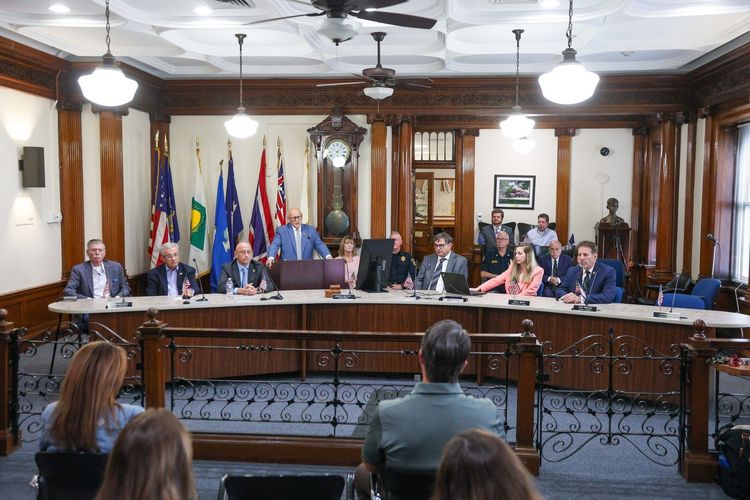
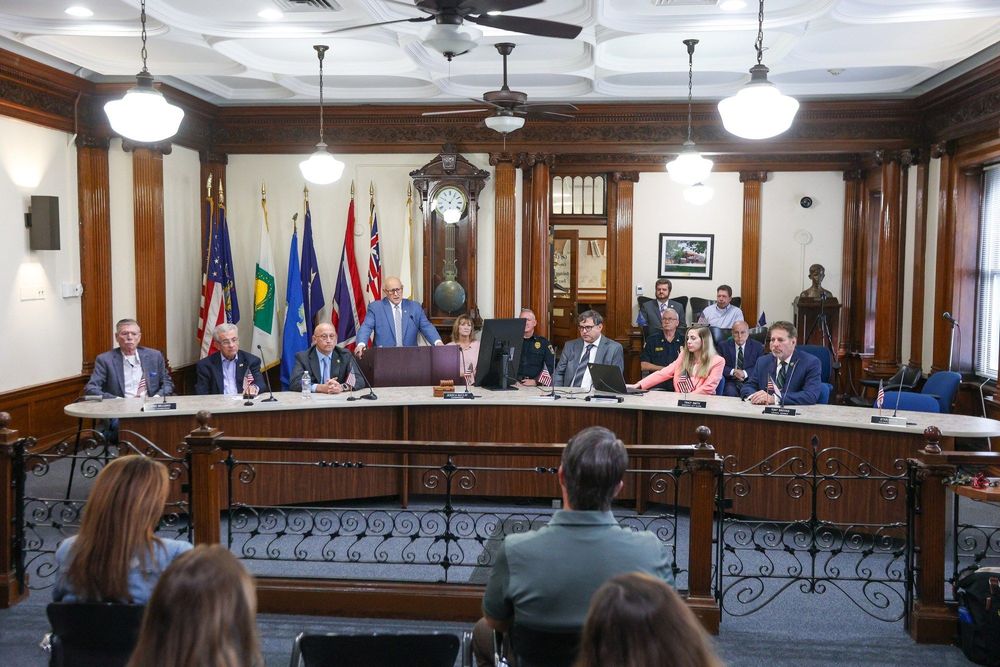
Mayor George C. Brown presented his 2027 general fund budget to Wilkes-Barre City Council on Wednesday morning, proposing a $63.96 million spending plan that maintains the city's record of fiscal restraint with no tax or fee increases.
The budget presentation, delivered at 10 a.m. at City Hall, marks the eighth consecutive year Brown has avoided raising real estate taxes—a streak that began in 2020 and has continued through multiple budget cycles. The 2026 budget marked the seventh year without a tax increase, though the city doubled its residential sewer fee to $100 that year to address infrastructure needs.
Brown credited his administrative team with navigating significant financial pressures to produce the balanced budget, including city administrator Charles McCormick, finance officer Brian Swetz, and department heads across city government.
"My administration has been able to address these anticipated financial hurdles, and this year will be no different. I am proposing no real estate tax increase for the eighth consecutive year. I'm very proud of that."
Healthcare costs drive budget growth
The 2027 spending plan represents an increase of $1.77 million over this year's $62.18 million budget. The growth is driven primarily by rising employee healthcare costs, which Brown said will climb more than 12% next year, adding approximately $1.2 million in expenditures.
The healthcare cost increases facing Wilkes-Barre reflect a national trend affecting municipalities and employers across the country. Consulting firms project employer healthcare costs will rise between 8.2% and 9.5% in 2027—the largest single-year increase since 2003 and the fourth or fifth consecutive year of elevated healthcare cost growth. Wilkes-Barre's 12% increase exceeds the national average but aligns with the broader pattern of escalating medical expenses.
The city faced similar pressures in 2026, when employee healthcare expenses increased 14%, totaling approximately $1.3 million in additional costs.
Beyond healthcare, the 2027 budget accounts for salary increases negotiated in previous collective bargaining agreements with city employee unions. Brown also indicated plans to fill several vacant positions across city departments.
Revenue growth offsets rising costs
To balance the increased expenditures, Brown is counting on higher collections from the earned income tax, a key revenue source for Pennsylvania municipalities. He projects $21.5 million in EIT revenue for 2027, up from the $20 million budgeted this year.
Under Pennsylvania's Act 32, municipalities and school districts levy earned income tax on residents' wages, with rates typically ranging from 1% to 3.93% depending on the locality. Most suburban areas maintain combined EIT rates between 1% and 2%. This local tax structure provides a significant portion of municipal operating revenue across the state.
Brown attributed the anticipated revenue increase to demographic and economic trends in the city.
"This is representative of the City's continued increases in population, employment and business wages."
Census data supports Brown's population growth claim. Wilkes-Barre, the county seat and primary population center of Luzerne County, recorded a population of 44,328 in the 2020 census, with estimates projecting 44,523 residents by 2025. The broader Luzerne County grew from 325,594 residents in 2020 to an estimated 332,126 in 2025.
Multi-year budget trajectory
The 2027 budget continues a pattern of steady spending growth under Brown's administration. The city's general fund has expanded from $54.25 million in 2024 to $58.46 million in 2025—a 7.7% increase—and then to $62.18 million in 2026. The 2027 plan of $63.96 million represents a more modest 2.9% increase over the current year.
Brown, who has served as mayor since January 2016, has maintained the no-tax-increase policy throughout the latter portion of his tenure while managing rising costs and infrastructure needs.
City Council will now review the proposed budget in detail before voting on its adoption. Brown's presentation Wednesday outlined the broad framework of the spending plan, with further analysis and public discussion expected in coming weeks.