Prediction Markets Target Women as Industry Faces Regulatory Scrutiny
The prediction market industry underwent a dramatic transformation in summer 2026, as platforms Kalshi and Polymarket aggressively expanded their marketing efforts to attract women customers. The campaign highlighted bets on pop culture events ranging from Love Island USA outcomes to speculation about a potential Taylor Swift and Travis Kelce wedding, marking a strategic shift for an industry previously dominated by male users betting on sports and politics.
The marketing blitz came as the platforms experienced explosive growth. Combined monthly trading volume across Kalshi and Polymarket reached $44.8 billion in June 2026, more than triple the approximately $14 billion average monthly handle of all legal U.S. sportsbooks in 2025. The platforms' deliberate pursuit of women users began earlier in the year, with Polymarket launching the social media account @Polybaddies in September 2025, followed by Kalshi's @Kalshigirls account in October 2025.
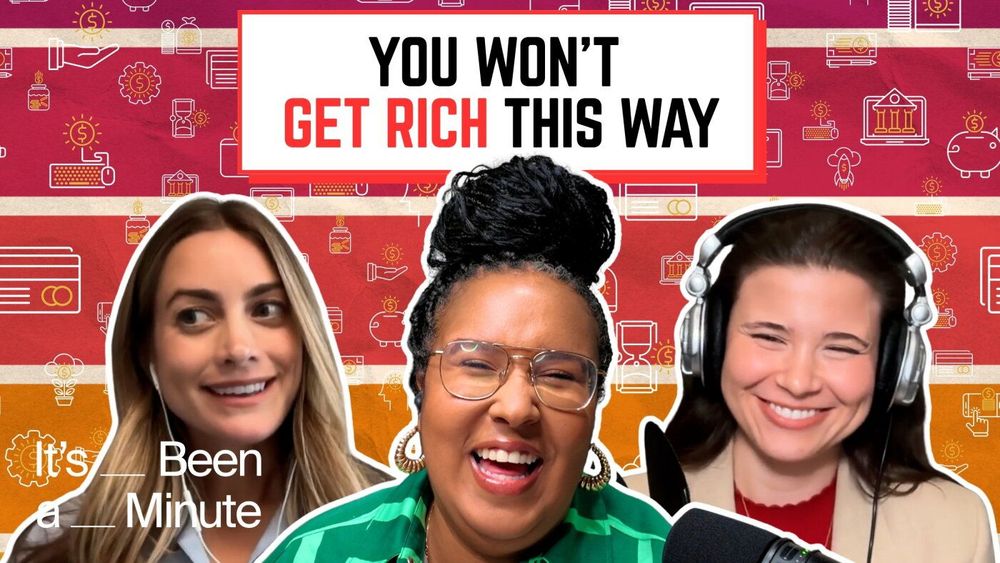
Nancy Walecki, staff writer at The Atlantic, and Lauren McCarthy, business reporter at The New York Times, discussed the phenomenon and its implications for both the prediction market industry and its growing user base. The platforms employed unconventional tactics to expand their reach, including free grocery giveaway campaigns in New York City in February 2026. Kalshi distributed groceries to over 1,000 people in Manhattan, while Polymarket opened a temporary free grocery store, initiatives that drew criticism for targeting vulnerable demographics during a period of cost-of-living concerns.
Regulatory Background and Legal Challenges
The platforms operate under different regulatory frameworks than traditional sports betting. Kalshi received approval from the Commodity Futures Trading Commission as a Designated Contract Market in November 2020, making it the first federally regulated financial exchange dedicated to trading event contracts in the United States. Polymarket operates its U.S. platform separately from its international offshore platform, with the U.S. version launching in December 2025 and becoming available through a mobile app after removing waitlist restrictions in mid-May 2026.
A key regulatory distinction has attracted scrutiny: event contracts on prediction markets are available to users 18 and older, while most state-regulated sports betting requires users to be 21 or older. This difference has drawn criticism from state gaming regulators concerned about access for younger users.
The summer marketing expansion occurred against a backdrop of mounting legal and political challenges. The New York City Council announced in August 2026 that it was investigating Kalshi, Polymarket, and other prediction markets over allegations of deceptive marketing practices. Council Speaker Julie Menin expressed particular concerns about protecting young people from aggressive advertising.
The industry faced a more significant setback on August 28, 2026, when a federal appeals court ruled that states can regulate prediction markets as gambling. The Ninth Circuit Court of Appeals issued a 3-0 decision that could allow states to shut down platforms like Kalshi. Minnesota had already become the first state to fully ban prediction market platforms in May 2026, passing legislation that includes felony-level violations for operators, advertisers, and individuals who assist in operating prediction markets.
Market Composition and User Behavior
Despite the marketing focus on pop culture events, data reveals that traditional categories still dominate trading activity. According to a Pew Research Center analysis published in May 2026, sports accounted for 80% of total trading volume on Kalshi and 39% on Polymarket since July 2024. Sports, politics, and cryptocurrency combined represented over 90% of volume on both platforms.
The platforms' efforts to diversify their user base and expand into new demographic segments reflect broader ambitions for the prediction market industry, even as regulatory uncertainty threatens to reshape the landscape in which these companies operate. The summer of 2026 may ultimately be remembered as a pivotal moment when prediction markets reached peak visibility and accessibility, just as legal and political forces began to close in on their business models.