Mediated talks ahead of the walkout
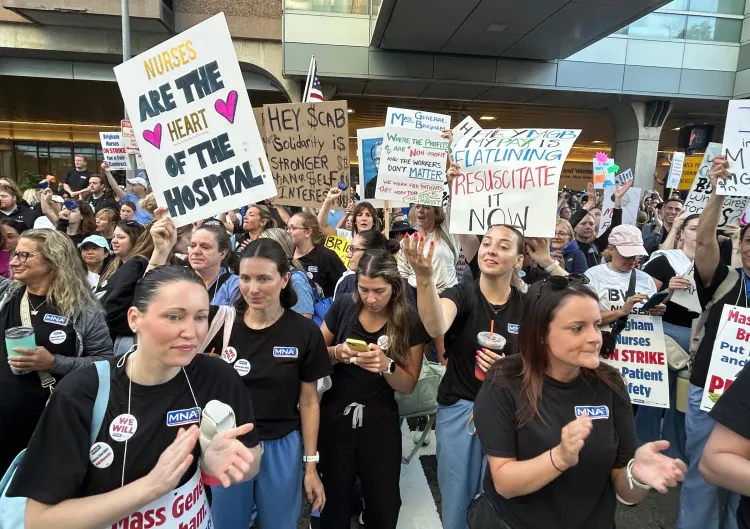
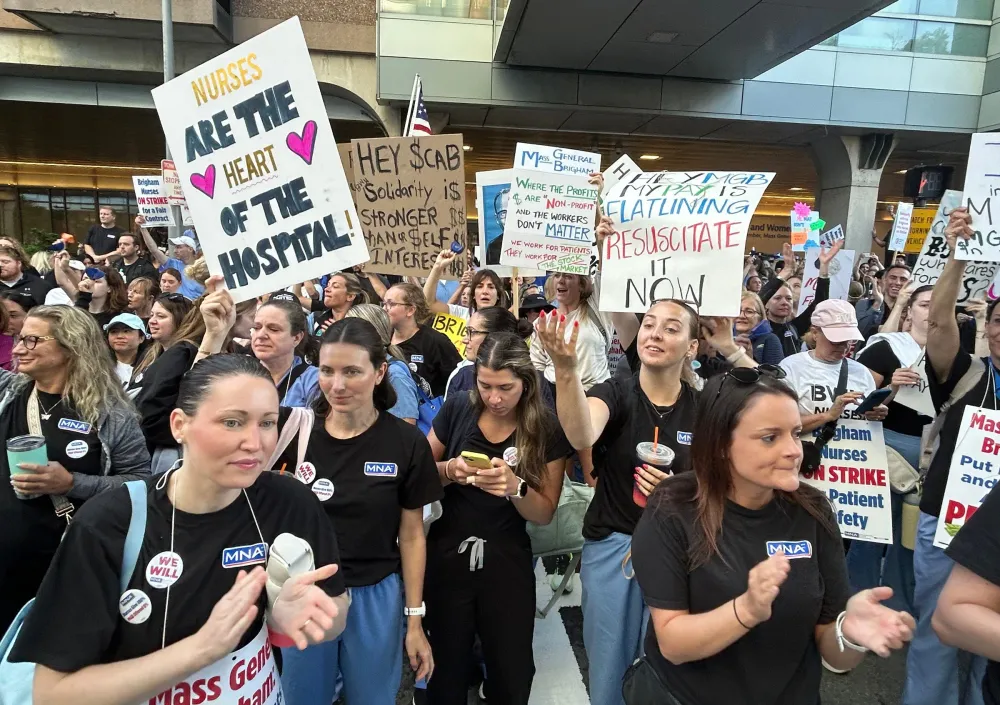
The strike notice came two days after plans to restart negotiations were announced. A federal mediator will join the Nov. 9 talks, according to NBC Boston. The Massachusetts Nurses Association said a walkout without a set end date would be the largest open-ended nurses strike in Massachusetts history if the parties do not reach an agreement before Nov. 12.
The dispute has lasted for months and already led to a July work stoppage involving 4,000 nurses. That action was planned as a one-day strike, but nurses were locked out for another four days. According to CBS Boston, the hospital said it had contracted with temporary replacement nurses for five days of work.
Another strike had been scheduled for Oct. 14 but was postponed after Mass General Brigham presented what it called its "last, best, and final" offer, NBC Boston reported. Nurses voted to reject that proposal on Oct. 23.
"We are ready to strike but are equally prepared to negotiate a fair contract that protects patient care, respects nurses, and averts the strike," said Kelly Morgan, a labor and delivery nurse who chairs the BWH MNA Bargaining Committee. "Brigham nurses are resolved to fight for as long as it takes for patient safety and the professional respect we deserve."
Contract demands and the hospital's offer
The union's demands include restrictions on temporary nurses, a float differential, a choice of insurance and a competitive wage scale for both new and experienced nurses. Mass General Brigham, meanwhile, said Sunday that the unresolved issues "relate to compensation and benefits, including wages and health insurance. No patient or workplace safety proposals remain unresolved."
Mass General Brigham said its Oct. 10 offer would add a new 2.5% top step in each contract year for nurses already at the top of all pay scales. Nurses still progressing through the scales would retain the existing steps with 5% increases. The proposed agreement would take effect upon ratification and expire Sept. 30, 2028.
The system said the proposal builds on nearly $750 million it spends annually on nursing compensation and benefits.
"While we had hoped to avoid another strike, we are prepared to continue providing safe, high-quality care throughout any work stoppage, building on our experience and extensive contingency planning," the hospital system said. "We deeply value and respect our Brigham nurses and remain committed to reaching a fair and responsible agreement. Our latest offer provides market-leading compensation and competitive benefits while recognizing our responsibility to our patients, our entire workforce and the long-term financial sustainability of Brigham and Women's Hospital."
Financial pressures and union scrutiny
Nurses have accused Mass General Brigham of "corporate greed." The union has also sought scrutiny of the system's nonprofit status: It said a national law firm it hired sent the Massachusetts attorney general a letter requesting an investigation into potential board conflicts of interest and CEO compensation. The Boston Globe reported on the letter on Oct. 6.
Mass General Brigham is pursuing workforce reductions. In a recent message, Chief Financial Officer Niyum Gandhi and Chief Operating Officer Ron Walls said the system was more than $300 million behind budget. They reported an operating margin of 0.3%, below the 1.5% target they said was needed to sustain investment in patient care, staff, research, education, facilities, technology and major capital projects, including the future Brigham tower.
"We will need to redesign clinical and operational models, simplify processes, continue to reduce duplication and cost, and ensure that staffing and resources reflect patient needs," Gandhi and Walls wrote. "We must eliminate programs and activities that do not fully align with our strategy and priorities, even those we have had for many years. Administrative savings alone will not be enough."