A break with prewar arrangements
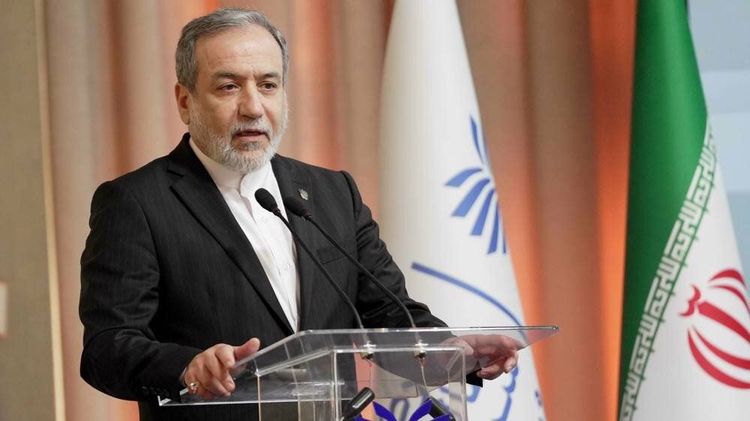
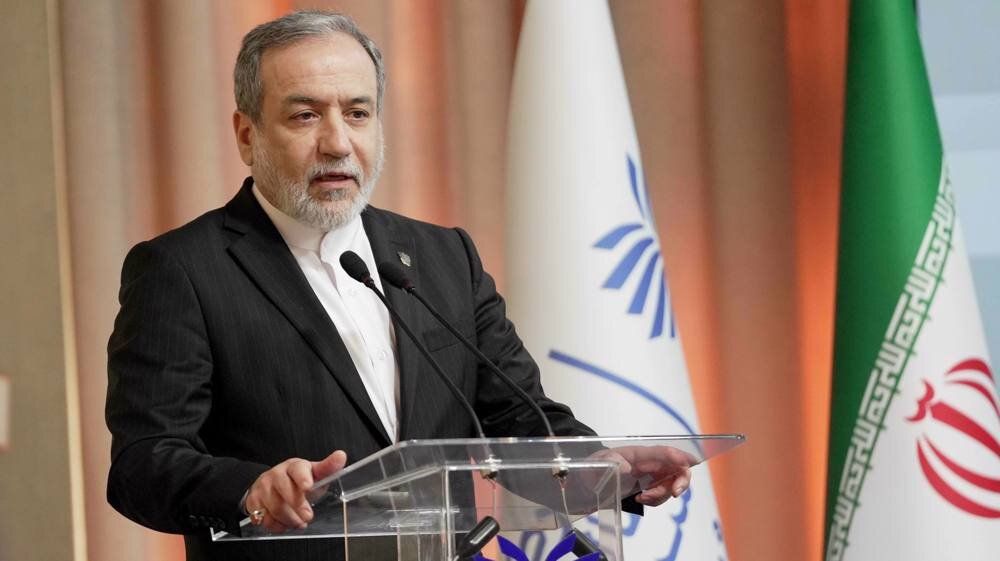
Speaking at the opening of a documentation center and museum honoring diplomat Kamal Kharrazi, Araghchi said the 40-day conflict, also known as the Ramadan war, had brought fundamental strategic changes to West Asia. Kharrazi was assassinated in a US-Israeli strike earlier this year, Mehr News Agency reported.
Araghchi contrasted the proposed changes with decades in which Iran and Oman, the two states bordering the strait, had kept maritime traffic unrestricted while supporting navigational safety, security and environmental protection. "However, the current war has changed everything," he said. Both the shipping routes and the waterway's administration would differ from their prewar form, he added.
Iran began restricting passage in response to the US-Israeli attack that started on Feb. 28, according to Mehr. Tehran and Washington later signed a Pakistan-brokered memorandum of understanding on June 17. The agency said Article 5 assigned Iran responsibility for reopening and managing the strait.
Mehr reported that Washington subsequently sought to undermine Iran's sovereignty over the waterway and imposed a naval blockade that violated the agreement ending the war. Tehran responded by declaring the strait closed to all traffic.
Conditions for reopening and talks with Oman
In early August, Araghchi said Iran would attach additional conditions to reopening, including US compensation for what Tehran describes as violations of the Islamabad Memorandum of Understanding. Business Standard, citing Press TV, reported that he also rejected the previous traffic separation scheme, or TSS. Establishing its replacement would involve extensive technical and legal complexities, he said.
A separate parliamentary initiative advanced on Aug. 9, when Iran's National Security and Foreign Policy Commission unanimously approved its broad framework after reviewing it with government agencies. The proposal, "Strategic Action for the Security and Sustainable Progress of the Strait of Hormuz and the Persian Gulf," had been submitted to parliament on July 13, according to Business Standard's report citing Press TV.
Iran and Oman outlined their diplomatic work in an Aug. 25 joint statement. Their foreign ministers had discussed a phased framework involving a temporary joint navigational corridor and a joint mine-clearing project. Further technical talks were to address a permanent corridor, future administration of the strait and arrangements for sharing information, managing traffic and providing navigational and security services.
By an interview published Sept. 13, Araghchi said the two countries had agreed on a new maritime route and had prepared maps and drafted a joint statement. Eghtesad Online, citing his interview with Al-Araby Al-Jadeed, reported that the documents would first go to other Gulf states at a meeting in Muscat, then to the International Maritime Organization for registration and inclusion in its regulatory framework.
Araghchi described the planned gathering as the first Gulf dialogue in that format and said Bahrain had opted not to attend.
The disruption to shipping and oil supplies
Shipping figures reported over the summer showed how sharply passage through Hormuz had declined. Al Jazeera reported on Aug. 27 that an average of about five vessels a day crossed between July 15 and Aug. 23, compared with more than 100 before the war, a decrease of almost 95 percent.
The same report put Gulf crude exports at roughly nine million barrels per day as of August 2026, down nearly half from about 17 million in 2025. It cited Kpler figures showing that direct crude exports through the strait averaged just 2.2 million barrels per day.
In a July 31 paper, the Tony Blair Institute for Global Change characterized the first Hormuz closure of 2026 as the most severe oil supply shock on record. At the peak, it said, the market lost more than 12 million barrels per day and traffic through the strait dropped by more than 90 percent.
Oil prices nevertheless stayed below some closure scenarios, the institute found. Brent peaked near $138 a barrel, exceeding Goldman Sachs's $135 risk case but falling short of scenarios ranging from $150 to $200. By late June, Brent had returned to its prewar level in the low $70s.
Araghchi calls for regional security without foreign forces
In his Oct. 25 remarks, Araghchi also warned against another attack on Iran. "They've tried twice, and they've seen the results," he said, arguing that the attackers should not attempt a further military assault.
Mehr described the first US-Israeli war against Iran as a 12-day conflict in June 2025. The second began on Feb. 28, 2026, and stopped in early April after 40 days. The agency credited Iranian resistance and retaliatory operations with forcing acceptance of ceasefires in both wars.
Araghchi said countries in the region should provide their own security rather than depend on foreign forces. He called for peaceful coexistence without outside interference and said Iran remained in contact with every Persian Gulf country as it sought agreement on a new regional security framework.
He also linked security across the region, arguing that fighting in one area could not be separated from stability elsewhere. Araghchi said Iran had therefore insisted in negotiations with Washington, mediated by Pakistan, Qatar and other friendly countries, that an end to the war must stop hostilities on every front.