Bipartisan opposition mounts against Flock surveillance cameras as governors take action
A rare political consensus is emerging across party lines as elected officials from both major parties voice strong opposition to Flock Safety's surveillance cameras, turning the Atlanta-based company's license plate reader technology into a flashpoint issue ahead of the midterm elections.
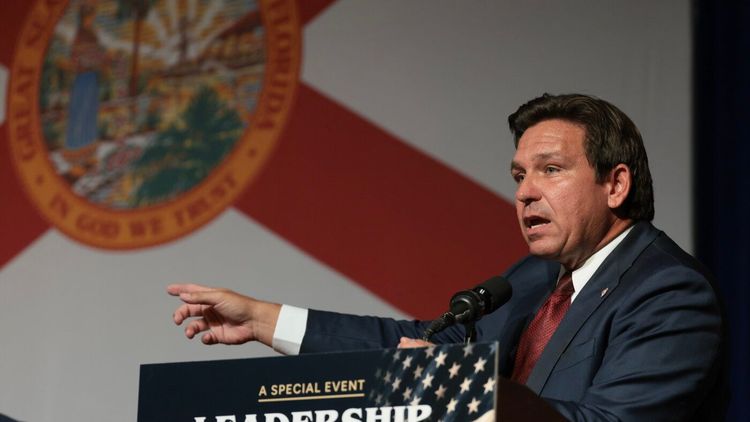
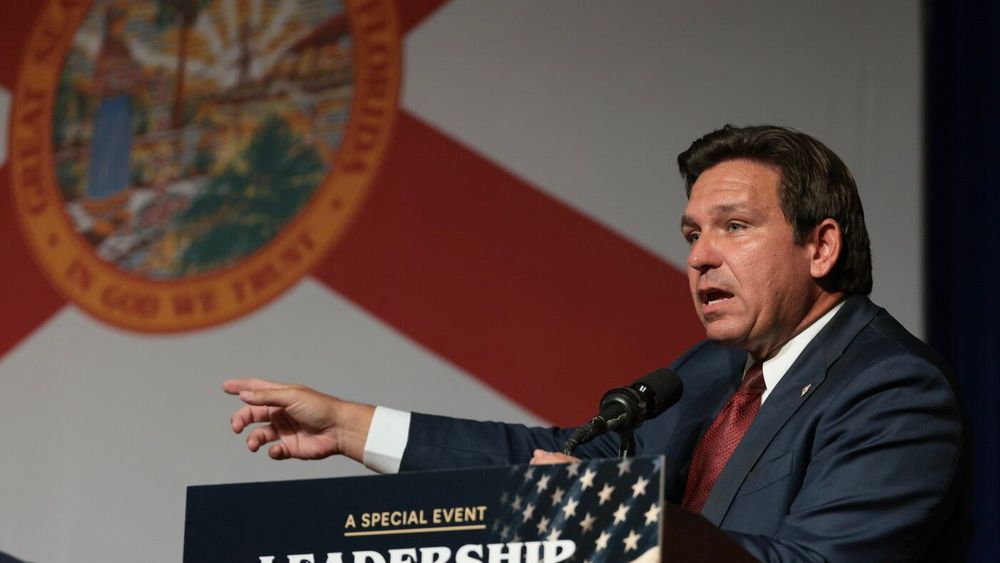
Florida Gov. Ron DeSantis announced this week that the state's Department of Transportation has revoked all permits for automated license plate readers on state roads, giving law enforcement agencies 30 days to remove the devices. The September 1 action makes Florida the first state to order the removal of existing cameras from state-controlled highways.
"I'm all about having law enforcement have tools," DeSantis said. "But I don't want to have this become a surveillance state."
The move comes as Texas Republican Gov. Greg Abbott froze state spending on the cameras last week. Since 2023, the Motor Vehicle Crime Prevention Authority has devoted at least $30 million to building the state's Flock surveillance network, helping install at least 3,200 cameras through grants to local police departments. Senate Republicans are now investigating concerns over police misuse of the technology.
Pennsylvania Democratic Gov. Josh Shapiro joined the chorus of opposition at a press conference late last month, calling for a statewide ban.
"I would welcome bipartisan legislation to ban these across the state," Shapiro said. "This is not something in the public interest."
Technology and scope of surveillance
The technology at the center of the controversy allows police to track vehicles over time through AI-powered cameras that capture billions of license plates monthly, along with other vehicle data. Flock Safety, founded in 2017 by three Georgia Tech alumni, now operates approximately 120,000 cameras across the United States. While the company reported its systems played a role in approximately 1 million police investigations in 2025, concerns about abuse have intensified.
Documented cases of misuse
At least 50 law enforcement officers have been accused or charged with misusing Flock or similar automated license plate reader systems, with over half of the incidents involving surveillance of romantic partners. The Institute for Justice, a libertarian nonprofit law firm, has documented more than 100 incidents of abuse by law enforcement officers, including romantic stalking and wrongful stops.
In one recent case, a Kentucky police officer was arrested in August after authorities alleged he used Flock cameras to track his ex-girlfriend more than 2,000 times, with 241 searches occurring while a protective order was in place against him.
Jay Stanley, a senior policy analyst at the ACLU, says opposition to the cameras cuts across ideological boundaries because Americans have a fundamental distaste for government surveillance.
"Now you have to live your life with what sociologists call the third eye that is watching you," he said, "and I think a lot of Americans don't want to live that way."
Concerns across the political spectrum
The concerns driving opposition vary by political perspective. Progressives have pointed out that the technology has been used to track immigrants and people seeking abortions, while conservatives have warned that the cameras could be used to create a national gun registry. Conservative commentator Glenn Beck has characterized the surveillance network as government overreach, warning against creating what he called "a panopticon" in reference to a prison design that allows constant observation.
The intensity of public opposition extends beyond political rhetoric. Flock cameras have been vandalized in at least 36 states, with incidents including individuals sawing down devices and shooting at them with guns.
Company response and public opinion
In response to mounting criticism, Flock announced new security safeguards in August, including requiring law enforcement to label every search with a criminal case number, automatic review for abnormal search activities, and reducing the default data retention period from 30 days to seven days.
Recent polling shows that more Americans now disapprove of Flock cameras than approve of them, suggesting the technology has become a political liability for officials who support it as midterm campaigns intensify.