Purple Heart veteran Sae Joon Park receives pardon after self-deportation to South Korea
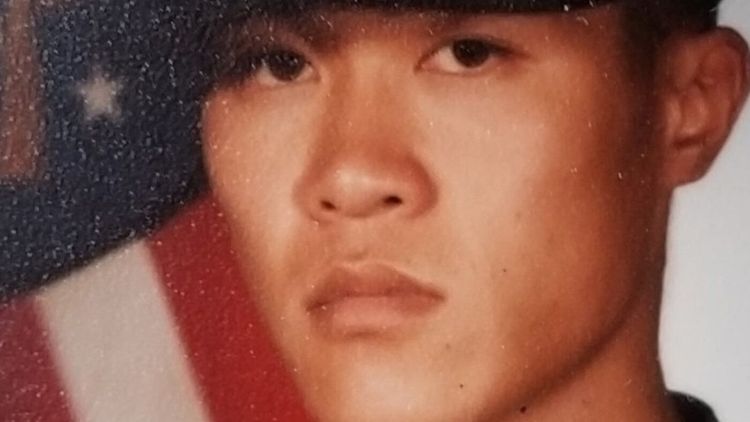
Sae Joon Park, an Army veteran wounded in combat and forced to leave the United States last year, has received a pardon from New York Gov. Kathy Hochul, opening a potential pathway for his return to the country where he has lived nearly his entire life.
Hochul erased Park's convictions for bail jumping and drug possession on Friday, citing his rehabilitation and positive changes. Park was among six individuals granted clemency because they "displayed positive changes in their lives and will dedicate themselves to bettering their communities," the governor said in a statement.
In response, Park expressed gratitude and cautious optimism. "I know there is still work ahead, but today I have hope that I may finally be able to come home," he said. "I want to thank my legal team, everyone who advocated for me, and the thousands of people who have supported me and my family."
Congressional attention brings case to national spotlight
Park's situation gained national attention in December when Rep. Seth Magaziner, D-Rhode Island, raised his case during a congressional hearing with former Homeland Security Secretary Kristi Noem. Park appeared via Zoom from South Korea as Magaziner pressed Noem to examine whether the decorated veteran could find a path back to the United States.
"Will you commit to at least looking at Mr. Park's case to see if you can help him find a pathway back to this country that he sacrificed so much for?" Magaziner asked. Noem replied, "I will absolutely look at his case."
Military service and combat injury
Park arrived in the United States at age 7 and became a legal permanent resident. At 19, he enlisted in the Army and was deployed to Panama in December 1989 as part of Operation Just Cause, a major military operation involving approximately 26,000 U.S. combat troops launched to capture Manuel Noriega and restore democratic government. The operation resulted in 23 U.S. troops killed and an estimated 200 to 300 Panamanian combatants and more than 300 civilians killed.
During the Panama invasion, Park was shot in the back by Panamanian soldiers. He was evacuated, honorably discharged, and awarded the Purple Heart, a military decoration given to service members wounded or killed as a direct result of enemy action. The award requires that the injury be serious enough to warrant treatment by a medical officer and directly linked to hostile forces.
Struggles with PTSD and path to recovery
Following his discharge, Park struggled with what he described as undiagnosed PTSD, which contributed to a drug addiction and two criminal convictions more than 15 years ago. He served three years in prison, where he became sober, and spent the subsequent decade rebuilding his life in Hawaii with his two adult children and elderly mother.
A broader challenge for non-citizen veterans
Park's case reflects a broader challenge facing thousands of non-citizen veterans. An estimated 94,000 military veterans in the United States lack citizenship, making them vulnerable to deportation. Between 2013 and 2018 alone, at least 92 veterans were deported, with 78% removed because of criminal convictions.
The legal framework that ensnared Park stems from the 1996 Illegal Immigration Reform and Immigrant Responsibility Act, which made deportation mandatory for legal permanent residents convicted of "aggravated felonies." The law eliminated judicial discretion and reclassified many low-level offenses as deportable crimes. Under immigration law, legal permanent residents can be deported for criminal convictions including drug offenses, crimes involving moral turpitude, and aggravated felonies, regardless of how long they have held their green card.
Self-deportation and separation from family
In June 2025, immigration authorities presented Park with an ultimatum: leave voluntarily or face detention and deportation. He chose to self-deport to South Korea, a country he had not seen since childhood. Before leaving, he told NPR he had accepted the likelihood that he would never see his elderly mother again.
What the pardon means for Park's future
The pardon does not automatically allow Park to return, but it eliminates the criminal convictions that formed the basis for his removal. According to Danicole Ramos, an attorney at the University of Hawaii's refugee and immigration law clinic who represents Park, the pardon will enable his legal team to ask the Board of Immigration Appeals to reconsider and potentially vacate his removal order.
"This pardon represents a tremendous step forward and gives Mr. Park and his family renewed hope that, after more than a year of separation, he may one day be able to return to the country he has called home since childhood and for which he put his life on the line," Ramos said.
A full and unconditional gubernatorial pardon can eliminate certain conviction-based grounds for deportation and allow legal permanent residents to reopen removal cases, terminate pending cases, or become eligible for relief from removal, though it does not guarantee the person can remain in the United States.
Immigration and Customs Enforcement officials did not immediately respond to a request for comment.