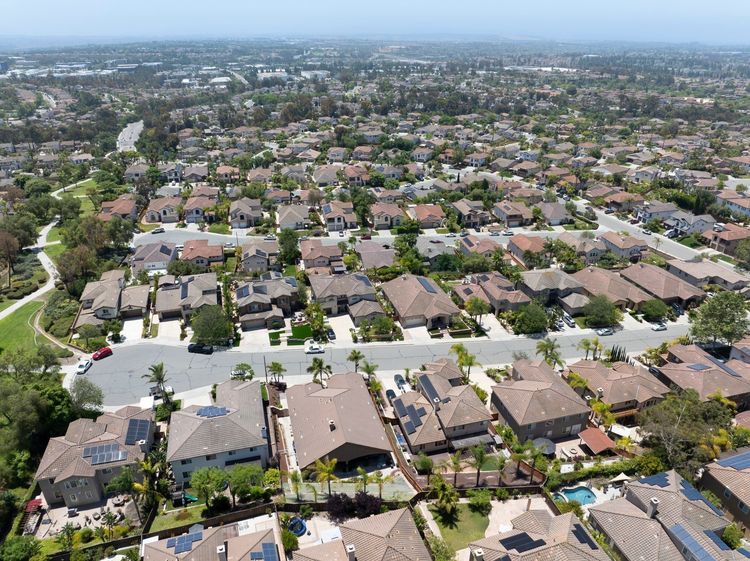
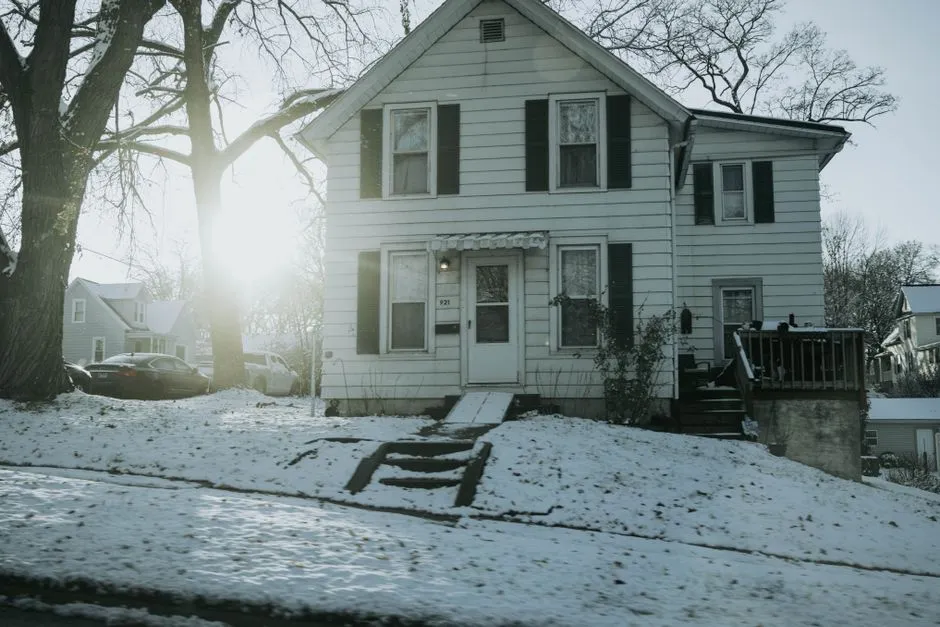
Two designs for backyard homes
The proposal targets the cost of planning an accessory dwelling unit, or ADU: a small second home on the same property as a primary residence. Navarte Development LLC, led by Montavius Jones, and Nicholas Hans Robinson, an architect with Dream Builders LLC, are developing a rear cottage design and a carriage house design that includes garage space.
The city would distribute the plans at no charge for use in Milwaukee. According to Hoodline, citing Urban Milwaukee, the foundation's funding would cover design work only, not construction. Milwaukee would receive a perpetual, royalty-free license to publish and distribute the designs, allowing residents to download them for personal use and project planning.
City Innovation Director James Bohl told the Zoning, Neighborhoods and Development Committee that providing the plans for free would reduce homeowners' building costs. Planning Director Tanya Fonseca said the standardized designs are intended to avoid the need for extensive city approvals.
That does not eliminate site reviews or permits. The designs are intended for a standard Milwaukee lot, but a civil engineer would still have to assess conditions at each property, and homeowners would need the required permits, Hoodline reported.
Foundation President Dan Steininger said the project grew out of an innovation competition sponsored by the Hoan Foundation. Jones entered the competition, and the proposal for free standard ADU designs was among the winners.
One proposal since the ordinance took effect
Common Council President Jose Perez, the chief sponsor of the design proposal, said Milwaukee has received just one ADU proposal so far. The city's ordinance allowing the units took effect in 2025.
The ordinance permits detached backyard homes on properties with an existing house or duplex. It also allows internal units, such as basement or attic apartments with proper access, and attached units built as additions. ADUs are sometimes called "granny flats," reflecting their traditional role as housing for older relatives.
The ordinance narrowly cleared the council in July 2025 on an 8-7 vote, The Daily Reporter reported. Council members rejected opponents' effort to require special use permits, which would have given neighbors an opportunity to comment at zoning board hearings.
Milwaukee also has a much older stock of second homes. A 2020 study sponsored by the Department of City Development estimated that the city had about 1,900 "ADU-like structures," largely dating to its rapid growth from the 1880s through the 1910s. Among them are semi-underground, bottom-floor dwellings sometimes known as "Polish flats."
Nearby incentives and construction costs
Other communities that have sought to encourage ADU construction include Wauwatosa, Shorewood, South Milwaukee, Waukesha and Oconomowoc. Wauwatosa adopted its ordinance in 2019 and added a limited number of $25,000 forgivable loans in 2025 to help homeowners finance the units, according to The Daily Reporter.
Since that loan program began, roughly 35 homeowners have discussed possible ADUs with Wauwatosa staff. Only two permits eligible for the assistance have been issued.
In one Wauwatosa renovation, a homeowner estimated that converting a roughly 400-square-foot backyard ADU would cost $100,000 to $200,000. The estimate covered a new sewer line and water main, heating equipment, windows, and replacement kitchen and bathroom fixtures, the newspaper reported.
State legislation and national findings
Wisconsin's Senate Bill 473 would require communities to permit at least one ADU on a residential or mixed-use parcel with an existing single-family home. Local governments could regulate the units' height and size and prohibit their use as short-term rentals. The bill cleared committees in both chambers, but the legislative session ended in March 2026 with no floor votes scheduled, according to The Daily Reporter.
A Pew analysis highlighted by Governing found that 80% of the 346 large U.S. cities studied let homeowners build an ADU and rent or sell it to someone unrelated to them. Cities with permissive rules issued more than 11 times as many ADU permits per capita in 2025 as those with restrictive rules. The analysis identified preapproved building plans as one way to encourage construction.