Prosecutions continue despite the pause
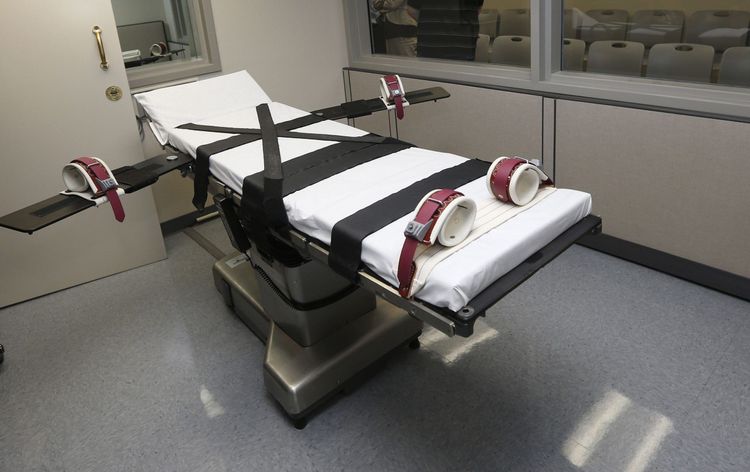
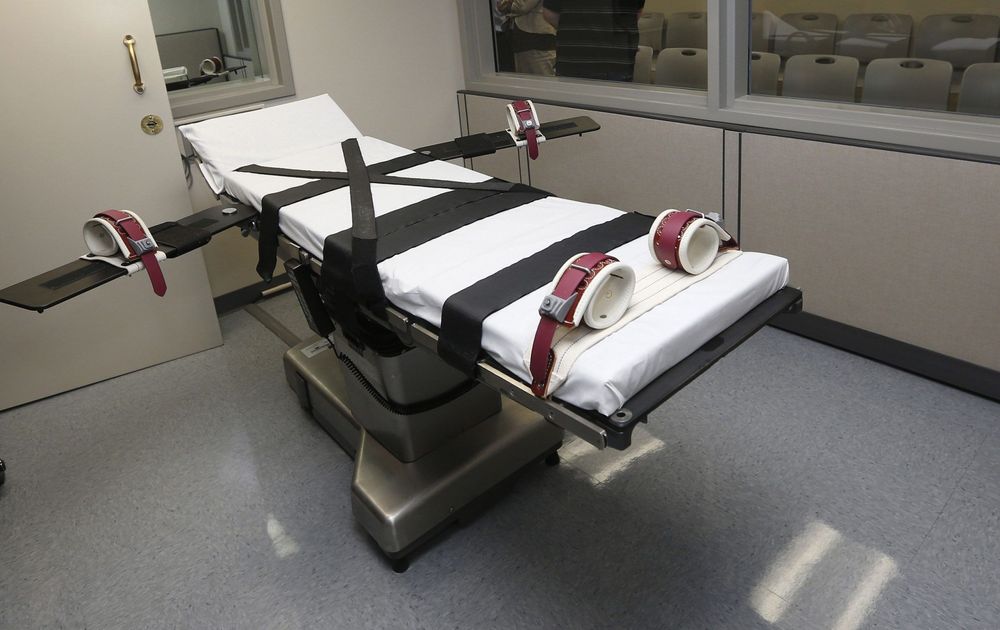
Ohio has carried out no executions since 2018. DeWine, who took office in January 2019, has repeatedly granted postponements because the state has been unable to obtain lethal-injection drugs from pharmaceutical suppliers. Capital punishment remains legal, however, and WCMH reports that prosecutors still seek death sentences in eligible murder cases.
David Fornshell, Warren County prosecutor and president of the Ohio Prosecuting Attorneys Association, said the lack of executions does not relieve prosecutors of their responsibility to pursue penalties allowed by law. He wants the governor and legislature to resolve the impasse, whether by obtaining drugs or authorizing another execution method.
DeWine has taken a different position on the law itself. On June 16, 2026, he urged lawmakers to abolish capital punishment, saying its deterrent justification no longer holds. If legislators will not decide the issue, he said, they should put it before Ohio voters. His position reverses his earlier support: As a state senator, he co-sponsored the 1981 legislation that restored Ohio's death penalty.
The postponements have continued. On August 7, DeWine moved three executions scheduled for 2027 to 2030, again citing pharmaceutical suppliers' continuing inability to provide lethal-injection drugs to the Department of Rehabilitation and Correction.
What the cost estimates show—and what they do not
The Ohio Legislative Service Commission cites studies from other states that put the additional cost of a death penalty case at approximately $1 million to $3 million compared with a prosecution seeking life imprisonment. Those studies found capital cases could cost two-and-a-half to five times as much.
Douglas Berman, a professor at Ohio State University's Moritz College of Law, said the expense begins with the requirements for trying a capital case. Ohio requires an additional defense lawyer, usually at public expense. Courts must also conduct separate proceedings to determine guilt and, if necessary, whether to impose death. Particularly complex cases can require several lawyers on both the prosecution and defense teams.
"The taxpayers are usually on the hook for all of this," Berman said. Public spending covers not only defense representation but also prosecutors, judges and courthouse operations. Appeals can extend the legal expense for decades after sentencing.
Still, the comparisons have limits. Berman said death penalty supporters dispute some studies' accounting and argue that the prospect of a death sentence can prompt plea agreements, avoiding lengthy trials and appeals. The overall calculation depends on the individual case, the proceedings involved and which outcomes researchers compare.
No study has been released that specifically measures Ohio's cost of continuing capital prosecutions and housing death row inmates during the execution pause. Berman said the available evidence does not establish that eight years of postponements have added a dramatic expense beyond the costs of the state's already lengthy capital punishment process. He also said the studies do not identify a clear route to savings, though economic considerations remain relevant.
Death sentences often do not lead to executions
A report cited by NBC4 puts the average time an Ohio prisoner spends on death row before an execution date is set at nearly 23 years. The Ohio attorney general's latest capital crimes report attributes much of that time to appeals. Separately, DeWine said the last 10 people executed in Ohio waited between 14 and 32 years from sentencing to execution, averaging 21 years.
Of the 337 people sentenced to death in Ohio from 1981 through December 2025, 56 were executed and 41 died from natural causes or suicide, according to the capital crimes report. Courts removed another 89 death sentences, mostly because of legal errors.
Berman said most people sent to Ohio's death row ultimately spend their lives in prison without being executed, despite the additional litigation over whether they should receive a death sentence. He cautioned against shortening the process by weakening procedural protections, saying attempts to cut corners have contributed to innocent people being sentenced to death.
Ohio has added eight people to death row since the pause began: six in 2019, one in 2020 and one in 2024. The Department of Rehabilitation and Correction reports 106 people on death row. The state's overall prison population was 45,704 in early January.
The consequences extend beyond the budget. Berman cited both the danger of executing an innocent person and the years victims' families may spend awaiting repeatedly postponed executions. Fornshell said the state's continued delays inflict additional trauma on families seeking finality after a murder conviction.
Lawmakers face competing proposals
One bill at the Statehouse would abolish capital punishment; another would permit executions through nitrogen gas inhalation as an alternative to lethal injection. For now, lethal injection is the only method Ohio law authorizes.
A Gongwer-Werth Legislative Opinion Poll released in June 2026 found that 56% of Ohio legislators supported repeal, while 9% were uncertain. Asked about the next governor resuming executions, 56% were opposed and 5% were uncertain.
House Speaker Matt Huffman, a Republican from Lima, opposes DeWine's call for abolition and supports retaining death sentences for the most heinous crimes. No bill is introduced in the Ohio House without Huffman's approval.
Trumbull County Prosecutor Dennis Watkins also favors retaining capital punishment and wants executions to resume as soon as practical. He pointed to neighboring Indiana, saying it resumed executions in 2025 after a 15-year suspension caused by its corrections department's inability to obtain lethal-injection drugs.
DeWine's second term ends January 11, 2027, leaving the next governor and General Assembly to decide the death penalty's future. The candidates in the 2026 governor's race have offered different positions.
Republican Vivek Ramaswamy supports capital punishment only for the most egregious cases and only when the legal process establishes absolute certainty about every element of the crime, the facts and the law. Democrat Dr. Amy Acton said she would respect the current moratorium, examine the death penalty closely and listen to Ohioans.