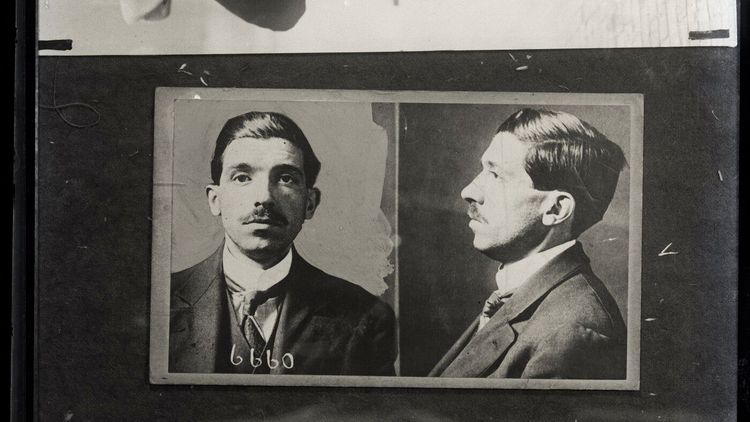
The Birth of a Scheme
Charles Ponzi found himself at a crossroads in 1919. After fifteen years in the United States, the Italian immigrant had exhausted nearly every avenue of honest work—bookkeeping, sign painting, grocery clerking, dishwashing, and even library work. None had delivered the fortune he sought.
That August, an unexpected letter from Europe changed everything. Inside the envelope lay an International Reply Coupon, a postal instrument designed to prepay international postage. As Ponzi examined the coupon, he recognized an opportunity that would transform him from a struggling worker into a household name—though not in the way he originally imagined.
The Scheme Takes Shape
The International Reply Coupon system represented a clever solution to international mail exchange. Ponzi believed he had discovered a method to exploit these coupons for profit. His plan required only one critical ingredient: investors willing to trust him with their money.
What followed became one of the most infamous episodes in financial fraud history. Ponzi's operation would eventually lend its name to an entire category of fraudulent investment schemes, cementing his legacy in the annals of economic crime.
A Linguistic Legacy
The story of Charles Ponzi stands as more than just a cautionary tale about greed and deception. It represents a pivotal moment when one man's actions created a term that would echo through financial markets for generations. The eponymous Ponzi scheme became shorthand for a specific type of fraud: using funds from new investors to pay returns to earlier investors, creating the illusion of a profitable enterprise.
Ponzi's journey from hopeful immigrant to notorious fraudster illustrates how desperation and opportunity can combine to create disaster. His scheme capitalized on the trust of ordinary people seeking their own slice of prosperity in post-World War I America.
The mechanics of his operation would reveal fundamental truths about human nature, financial systems, and the ease with which trust can be exploited. What began with a single postal coupon would ultimately involve thousands of investors and millions of dollars, leaving a trail of financial ruin in its wake.
Lessons for Today
Today, regulatory frameworks and investor protections have evolved significantly since Ponzi's era. Yet schemes bearing his name continue to surface, demonstrating that the fundamental psychology he exploited—the desire for quick wealth and the willingness to believe in too-good-to-be-true returns—remains as potent as ever.
The tale of Charles Ponzi serves as an enduring reminder that financial innovation can be a double-edged sword, and that vigilance against fraud must remain constant even as markets evolve.