Understanding the Phenomenon
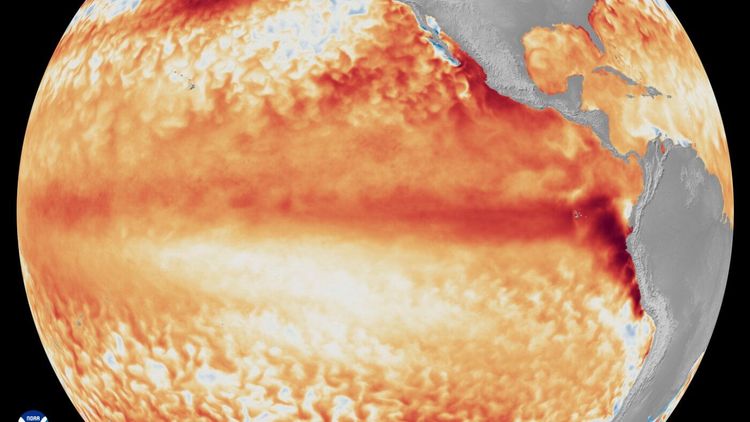
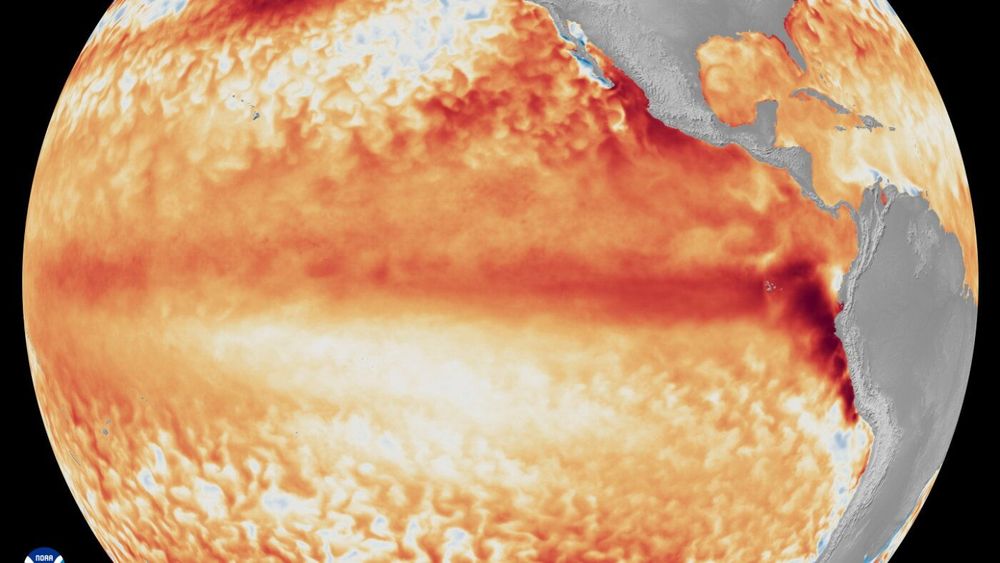
Federal forecasters are sounding the alarm about what could become the strongest El Niño event ever recorded, with ocean temperatures in the eastern Pacific already reaching unprecedented levels for this time of year. The phenomenon, colloquially dubbed "Super El Niño" and even "Godzilla El Niño," is poised to affect weather patterns globally and could push at least 49 million more people into acute food insecurity by the end of 2027, according to the United Nations World Food Programme.
The natural climate pattern occurs when vast amounts of water in the eastern Pacific Ocean around the equator warm significantly, releasing massive heat that redistributes warmth from the ocean to the atmosphere. This process fundamentally alters weather systems worldwide, bringing catastrophic flooding to some regions while intensifying droughts in others.
Origins and Scientific Understanding
The term "El Niño" originated with Peruvian fishermen in the 1600s, who named the phenomenon after the Christ Child because warm ocean waters typically appeared around Christmas time along the coasts of Peru and Ecuador. While fishermen recognized these warming events centuries ago, scientific understanding evolved gradually. British climatologist Sir Gilbert Walker discovered the Southern Oscillation in 1904 while studying atmospheric pressure patterns, but it wasn't until the 1960s that Norwegian meteorologist Jacob Bjerknes linked the Southern Oscillation to ocean temperature changes, creating the modern understanding of the El Niño-Southern Oscillation system.
"El Niño is like dropping a rock in a pond. Even though you're not where the rock hit, you still may feel the effects of those waves. El Niño is the same thing, except it's an enormous rock in our entire Earth's system, and we feel the response."
— Daniel Vimont, professor of atmospheric and oceanic sciences at the University of Wisconsin-Madison
Historic Strength and Impacts
NOAA forecasters classify this year's El Niño as "very strong," measured by ocean temperatures in a specific region off South America. When water temperatures exceed 2 degrees Celsius above average, the event qualifies as very strong. Already, this El Niño represents the strongest ever measured for this time of year, with forecasters expecting it to peak in November and December and persist through early 2027.
Historical precedents underscore the potential severity. The 1997-98 El Niño event caused an estimated 23,000 deaths worldwide and resulted in economic damage ranging from $35-45 billion in direct costs, with some studies estimating long-term economic losses reaching $5.7 trillion. That event also triggered the most devastating coral bleaching in recorded history, killing approximately 16% of the world's reef systems.
In Indonesia during 1997-98, severe drought combined with agricultural fires created widespread haze that affected over 20 million people with respiratory problems, with economic damage from fires and haze estimated at $4.5 billion in Indonesia alone. The environmental toll extended to Australia's Great Barrier Reef, where the 2015-16 El Niño contributed to widespread bleaching affecting 93% of surveyed reefs.
Expected Weather Patterns
The additional atmospheric heat generated by El Niño elevates global temperatures, with El Niño years typically ranking among the hottest on record. Forecasters indicate this year may approach the top spot, though temperature records could fall in 2027 as the event continues. The planet faces compounded warming from climate change, as emissions from burning fossil fuels trap additional heat in the atmosphere.
United States Impacts
In the United States, the southern regions typically experience more intense rainfall during El Niño years because the jet stream shifts southward. This pattern increases flood risks along rivers and in urban areas. For the Southwest, increased precipitation could alleviate drought conditions and replenish underground aquifers.
"El Niño tends to juice up those storms so that you get more really strong rain events. So if you were running a deficit in your water supply, a big El Niño, especially like the one we're having, can really get you into recovery mode that otherwise might have taken you years."
— Martin Hoerling, meteorologist and adjunct lecturer at the University of Colorado Boulder
The northern United States faces warmer and drier conditions, potentially exacerbating current drought in the Intermountain West. California experiences mixed effects during El Niños—the state saw historic flooding in 1997-98 but remained drier than average during 2015-16. Climate experts suggest the current El Niño's exceptional strength increases the likelihood of extreme rainfall in California.
Historical fishing industry impacts demonstrate El Niño's economic reach. The 1972 event devastated Peru's anchovy fishing industry, then the world's largest, with catches plummeting from nearly 10 million metric tons in 1970-71 to virtually nothing in 1972 as warming waters reduced food availability for anchovies.
Hurricane Activity and Marine Impacts
El Niños typically reduce Atlantic Ocean hurricane formation while increasing Pacific Ocean hurricane frequency, fueled by warmer waters. This year has already seen hurricanes intensify rapidly in the Pacific, with Hawaii experiencing close calls from several storms bringing destructive rain and wind.
El Niño events bring higher ocean temperatures and drier conditions to regions like Australia's Great Barrier Reef, significantly raising the risk of mass coral bleaching events. The warming waters create marine heatwaves that stress coral ecosystems already threatened by climate change.
Forecasting Improvements
Scientific advances offer hope for better preparedness. Recent developments in forecasting using deep learning and improved climate models now allow scientists to predict El Niño events 16-18 months in advance, significantly improving on earlier forecast capabilities that struggled beyond 6-12 months. This extended warning time enables governments and communities to implement protective measures and prepare for potential impacts.
The Climate Change Connection
While certain weather changes commonly occur during El Niños, no guarantees exist that extreme weather events will match predictions for every region.
"El Niño is loading the dice. While we're loading the dice for a certain type of response from El Niño, we still know that in any given year, there are still natural fluctuations that may mask that or cause the response to be slightly different than what we might expect."
— Daniel Vimont
Climate change compounds El Niño's effects. The most intense storms already produce more rainfall across most of the United States, since warmer atmospheres hold more water vapor. Heat waves and droughts intensify due to rising temperatures. Climate experts emphasize that while El Niño will eventually fade, climate change impacts will persist and intensify, creating a more volatile baseline for future weather patterns.